Key Points
- Young people from 43 countries gathered in Korea for a global peace program.
- They shared different views on youth participation, respect, education, and community action.
- Their experiences show that peace can begin with small actions in everyday life.
- Their stories made me think about how I can practice peace in my own life.
Peace Is Not Far Away
What does peace mean to young people from different countries?
From September 17 to 19, young people from 43 countries took part in the HWPL World Youth Peace Program in Seoul, Korea.
They visited the War Memorial of Korea and cultural heritage sites. They also met other young people and took part in discussions and exchanges.
Their countries, religions, cultures, and areas of activity were different.
Yet they found something they shared.
They believed that peace is not only a goal for governments or international organizations. It can also begin with ordinary people.
For these young people, peace was connected to participation, respect, education, dialogue, and action.
I found this especially meaningful.
Sometimes, we think of world peace as something too large for an individual to change. But these young people seemed to look at peace differently.
They asked what they could do in their own communities.
That attitude impressed me.
1. A Civil Society Activist from Iraq: Young People Should Have a Voice
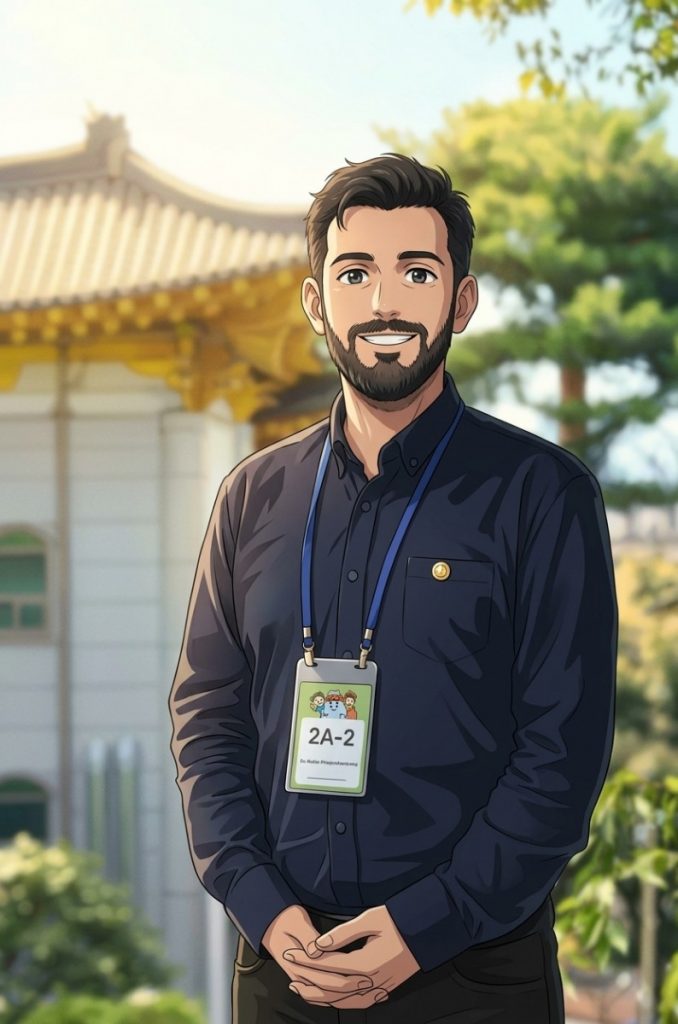
One participant was a young civil society activist from Iraq.
He emphasized that young people should not be seen simply as recipients of peace programs. They should be active participants in shaping their communities.
He pointed out that more than 60% of Iraq’s population is young. Because of this, he believes young people need safe and inclusive spaces where they can express their opinions and participate in decision-making.
During his visit to Korea, he was particularly interested in how Korea recovered from war and rebuilt the country.
He also stressed the importance of countries learning from and supporting one another. Local peace activities, he said, can become more meaningful when they are connected through international cooperation.
I was impressed by his view of young people.
Young people are often described as the “future.” But they are also part of the present.
Peace cannot wait for another generation.
I think giving young people a voice is one important way to turn that idea into action.
2. A Belgian Law Student: Respect Can Connect Different People
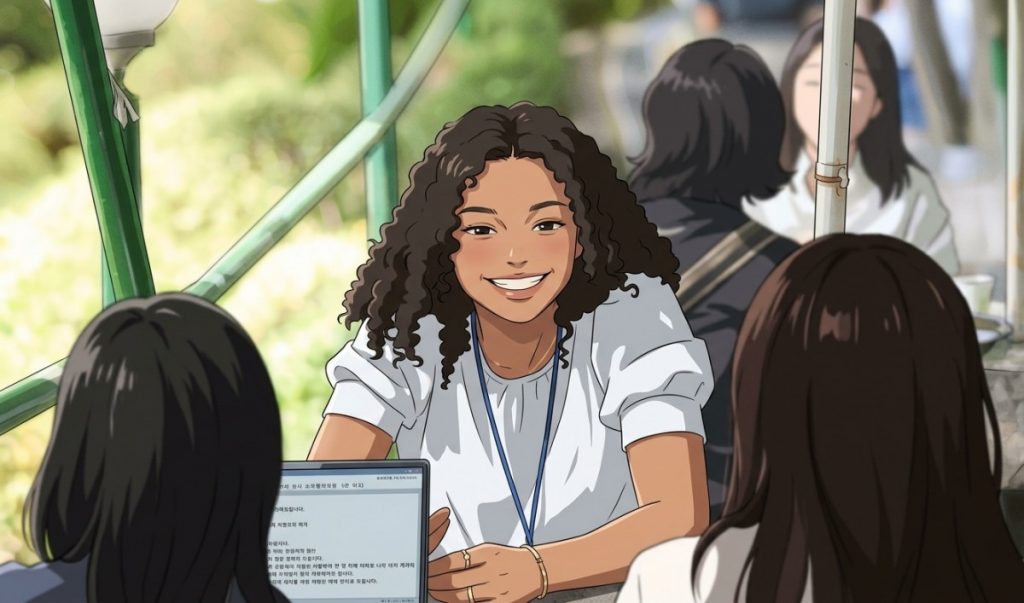
Another participant was a young law student from Belgium.
She said that she found hope in the way Korea remembers its painful history.
She was impressed by the effort to look for positive possibilities even after difficult experiences.
For her, peace can begin in a small community.
People can first build understanding with those around them. Then, that connection can gradually grow.
She also highlighted respect as an important value for people from different languages and backgrounds to live together.
After returning home, she hopes to share what she learns from her studies and the news with other young people.
She also wants to create activities where local teenagers can spend their time meaningfully and become more interested in their communities.
Her words reminded me that peace does not always begin with a huge project.
Sometimes, it begins with listening to another person and respecting a different point of view.
I liked that she connected peace with everyday learning and community activities.
That feels very practical to me.
3. A Youth Organization Leader from Zambia: Young People Are Leaders Today
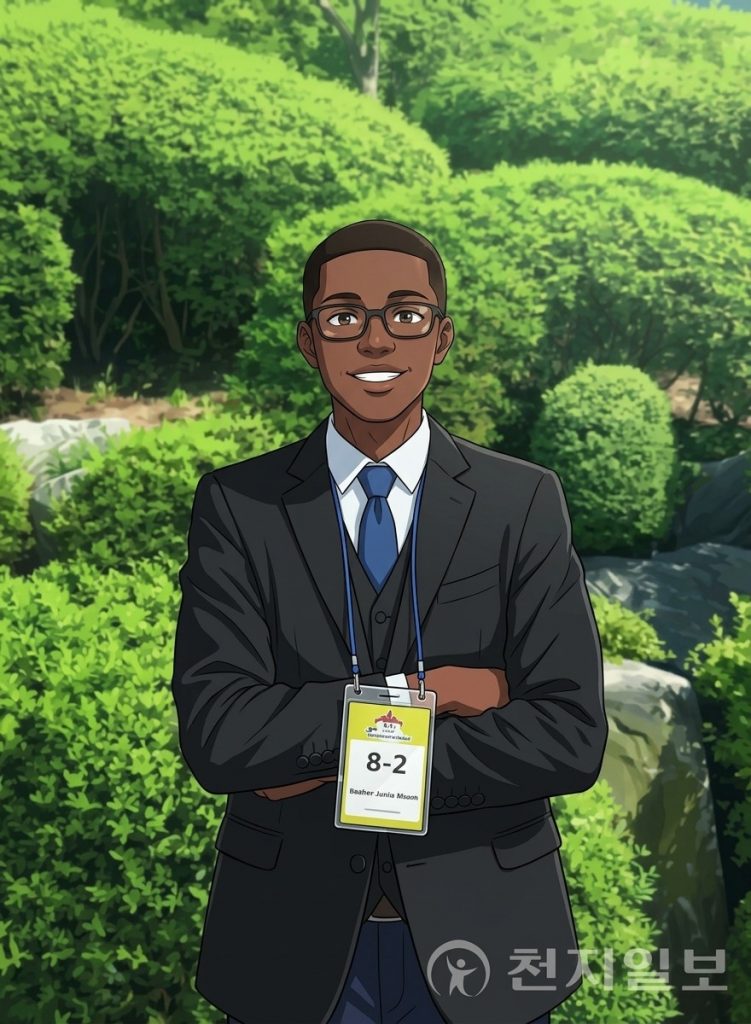
A young leader from Zambia who works on mental health and drug abuse prevention focused on the power of community participation.
He was particularly interested in Korea’s Saemaul Undong and the way communities participated in local development.
One of his strongest messages was that young people are not only future leaders.
They can also be leaders today.
He believes young people should directly participate in peacebuilding and community development.
He also emphasized education.
Schools can help young people develop the knowledge and skills they need. Voluntary service can then help them put those skills into practice.
After returning home, he plans to continue activities that encourage young people to create positive change themselves.
This interview made me think about the difference between waiting and participating.
It is easy to say, “Young people will change the future.”
But this young leader seemed to say something different.
We can start changing our communities now.
I really respect that attitude.
4. A Sikh Youth Leader from New Zealand: Diversity Can Be an Opportunity to Learn
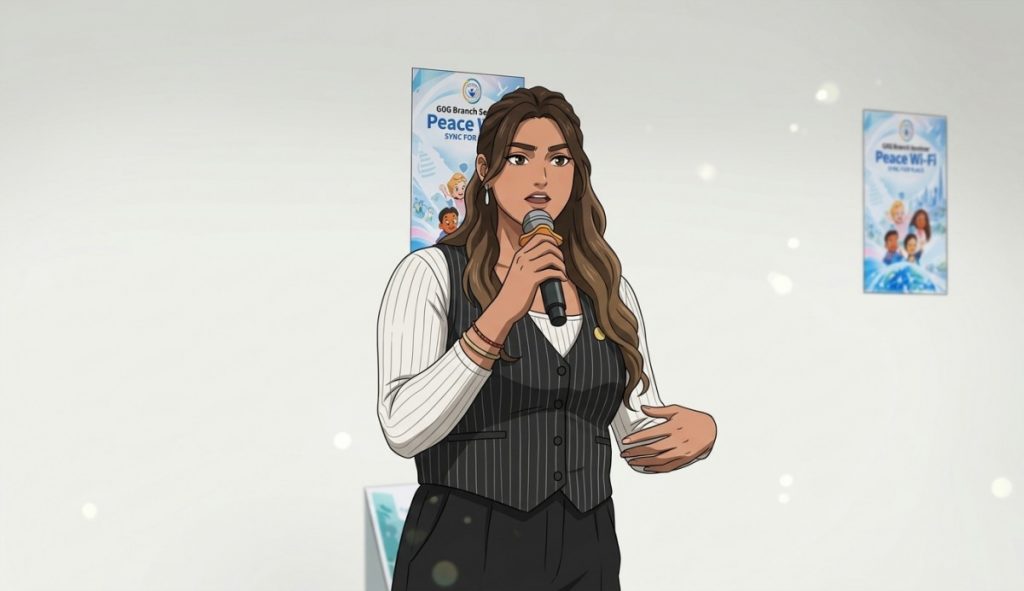
Another participant was a young Sikh community leader from New Zealand who is studying law.
He said that differences should not automatically be seen as threats.
They can also become opportunities to learn.
He believes that laws and institutions alone cannot create peace.
People also need to accept the value of peace and choose to practice it.
For him, sustainable peace requires an environment where people from different religions and cultural backgrounds can meet as equals, listen to one another, and have honest conversations.
He also emphasized the importance of creating spaces where young people can freely talk about their ideas and dreams.
I especially liked his perspective on diversity.
We often focus on how different people are from one another.
But perhaps another question is more important:
What can I learn from someone who is different from me?
I think that small change in attitude can affect how we communicate with people every day.
5. A Youth Representative from Fiji: Peace Education Matters
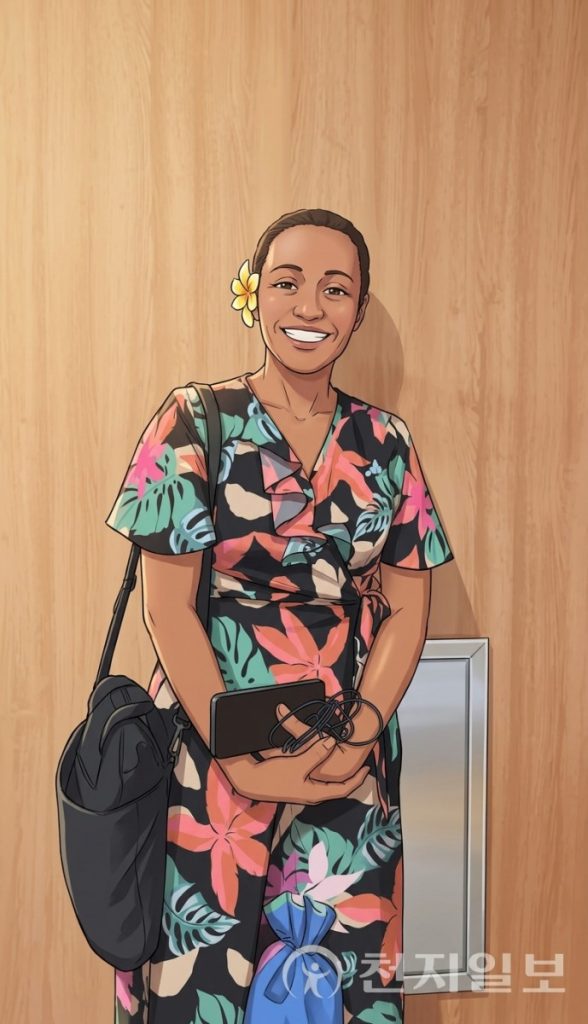
A representative of Fiji’s National Youth Council focused on peace education.
During his visit to Korea, he learned about the Korean War and the Battle of White Horse Hill.
These experiences made him realize that the peace people experience today should not be taken for granted.
He said that peace begins with the willingness to keep moving forward even during difficult times.
After returning home, he wants to become an example by practicing peace himself.
He also hopes to share the lessons of war and the value of peace with other young people.
His interview reminded me of something simple but important.
Peace is easier to appreciate when we remember what happens when peace is lost.
I also liked his desire to start with himself.
Before asking other people to change, he wants to practice peace in his own life.
That is something I want to learn from.
6. An Indian Social Organization Founder: Respect Other Cultures and Languages
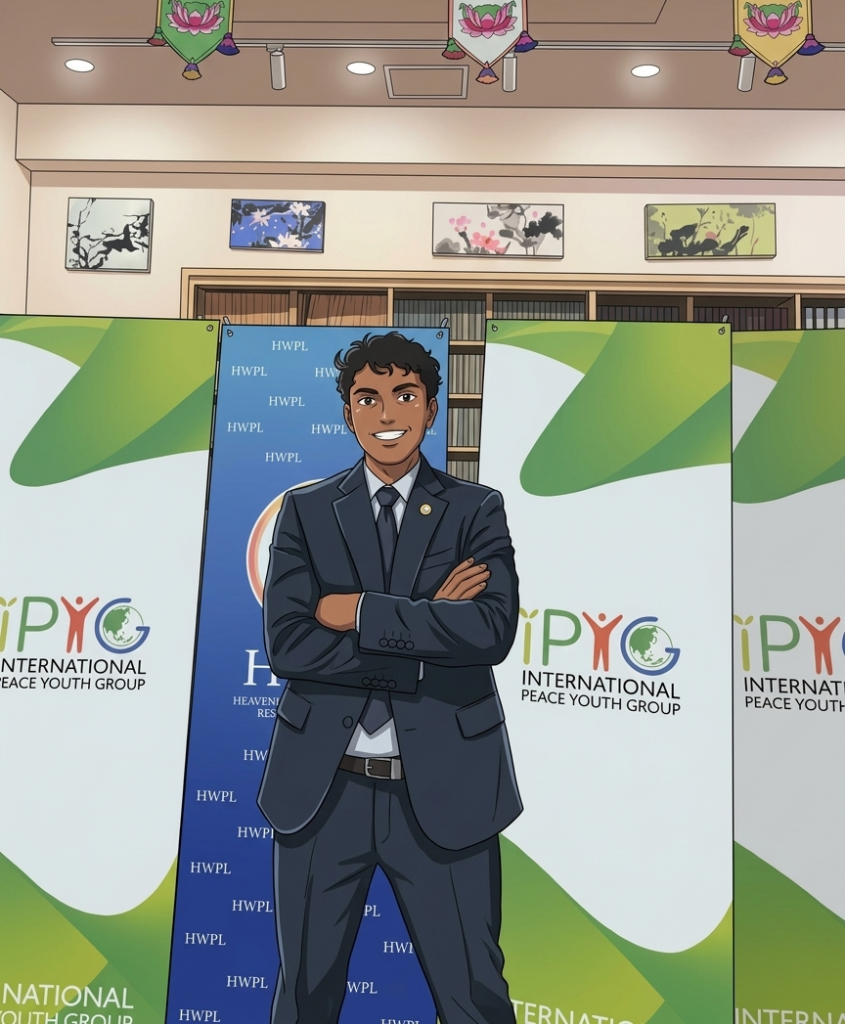
The founder of a social organization in India also emphasized the importance of remembering history and sharing its lessons with younger generations.
India is home to many languages, religions, and cultural traditions.
From his experience, he believes that respecting another person’s culture and language can itself become a force for peace.
He said that conflict can be reduced when people recognize their differences and make an effort to understand one another.
After returning home, he plans to continue peace forums and educational activities for young people.
His words made me think about how often conflict begins with misunderstanding.
We do not have to agree on everything.
But perhaps we can first try to understand why another person thinks differently.
I respect his effort to turn that idea into education and dialogue for young people.
What These Young People Taught Me About Peace
The six participants came from very different backgrounds.
One focused on youth participation.
Another talked about respect.
Others emphasized community development, diversity, peace education, and dialogue.
Their experiences were different, but one message connected them.
Peace is not something that belongs only to governments, institutions, or international organizations.
It can begin with us.
It can begin when we listen.
It can begin when we respect someone who is different from us.
It can begin when we learn from history.
It can begin when we volunteer in our community.
And it can begin when we choose peaceful communication in our everyday lives.
That may sound small.
But perhaps world peace is built from many small choices like these.
I Want to Become Someone Who Practices Peace
What impressed me most was not simply that these young people talked about world peace.
It was that they were thinking about what they could personally do.
They did not seem to see peace as something far away.
They connected it to their schools, communities, conversations, education, and daily lives.
I think that is something worth respecting.
To be honest, I also want to become that kind of person.
Someone who does not only hope for peace, but tries to practice it.
Someone who listens before judging.
Someone who respects differences.
Someone who can take a small step when a big solution seems impossible.
These young people came to Korea from 43 different countries.
They had different stories, cultures, religions, and experiences.
Yet for a few days, they met around one common question:
How can we make peace part of our lives?
Maybe the answer does not have to begin with something extraordinary.
Maybe it can begin with me.
And maybe it can begin with you, too.
Source: [인터뷰] “서로 다른 우리가 만나, 같은 평화를 꿈꿔요” …‘평화’ 위해 모인 43개국 청년들 < 인터뷰 < 인천/경기 < 전국 < 기사본문 – 천지일보