- 🕊️ Atlanta has been seeking new ways to address youth violence and “Teen Takeovers.”
- 🤝 Local communities are using peace education to promote dialogue, responsibility, and understanding.
- 🎓 The Peace Leadership Academy for Youth (P.L.A.Y.) has connected schools, families, and community organizations.
- 🌱 Young people are learning that peace means more than simply avoiding violence.
- ❤️ Their experiences raise an important question: Can peace education help build safer and more connected communities?
1. From Teen Takeover to Peace Education

Atlanta, Georgia, has faced growing concern over large youth gatherings known as “Teen Takeovers.” These gatherings have raised concerns about violence and public safety, leading communities to search for long-term solutions.
In 2023, Atlanta-area community leaders began discussing whether a culture of peace could help address youth violence. Their discussions eventually contributed to the development of the Peace Leadership Academy for Youth (P.L.A.Y.), based on HWPL peace education.
The program began in 2024 and has continued through 2026. At Shiloh High School, students have participated through an after-school P.L.A.Y. Club and have increasingly taken part in planning and leading activities.
The central idea is simple:
🕊️ Young people need more than rules. They also need the skills to communicate, manage conflict, and make responsible choices.
2. Teaching Young People a Different Response
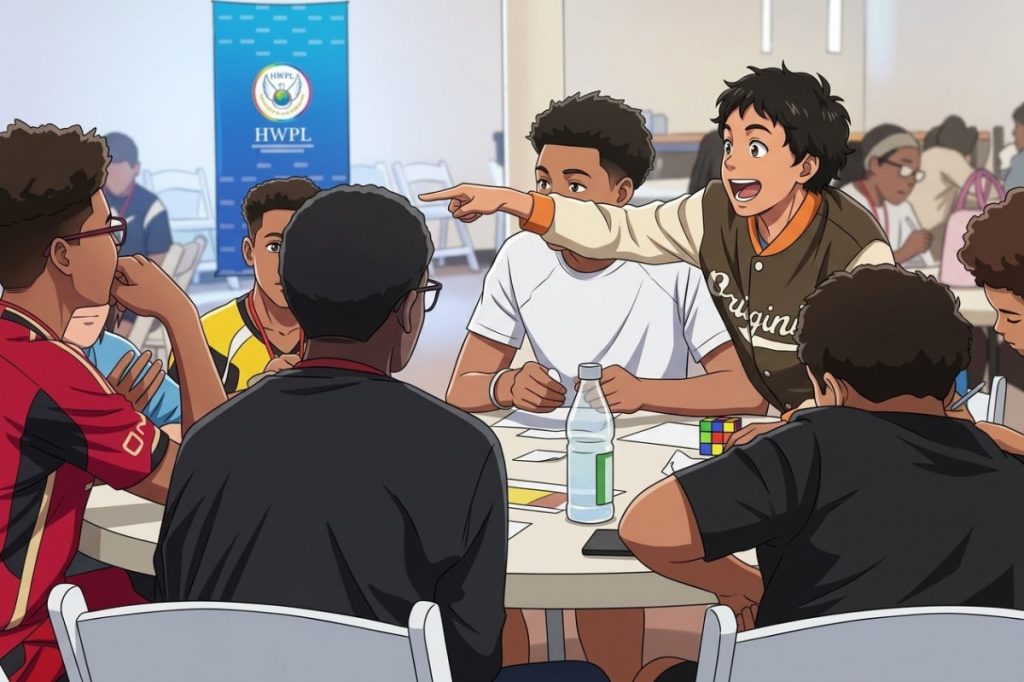
P.L.A.Y. focuses on peace, communication, conflict resolution, emotional intelligence, responsibility, and leadership.
A community leader involved in the program said many young people are looking for belonging and purpose. Peace education can give them another way to respond when conflict occurs.
Instead of reacting with anger or following negative peer pressure, young people can learn to listen, reduce tension, and influence their peers positively.
Another program leader emphasized that violence should not simply be viewed as something young people are born with. Limited resources, social environments, and a lack of opportunities to learn peaceful conflict resolution can also influence behavior.
🤝 This perspective shifts attention from punishment alone toward understanding and prevention.
3. Peace Requires the Whole Community
The Atlanta experience also shows that youth violence cannot be addressed by young people alone.
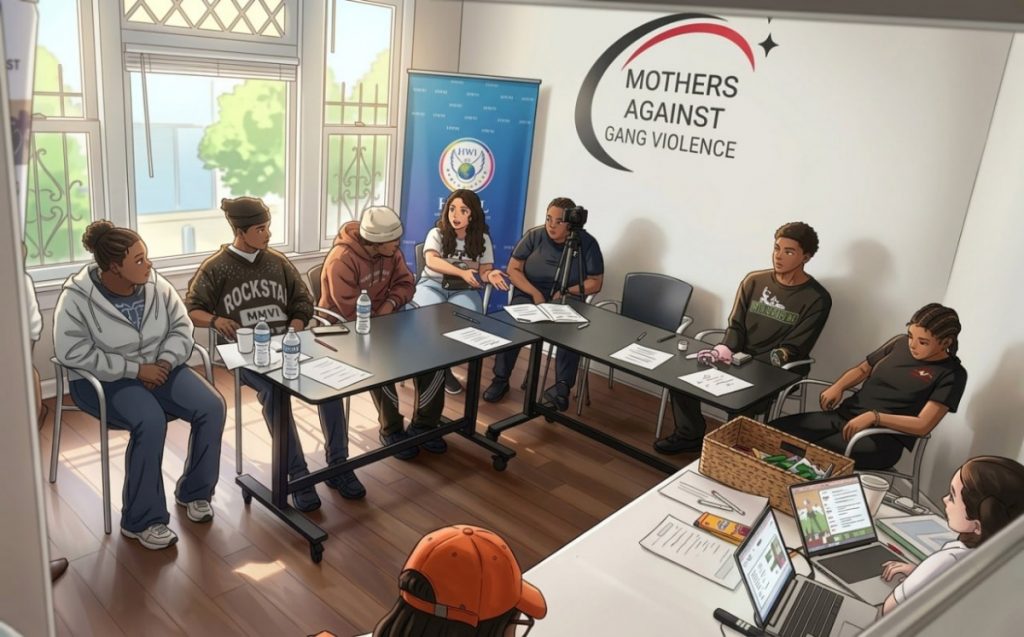
A representative of a community organization working against gang violence emphasized the importance of parents and guardians. Young people need to be heard, but families also need opportunities to communicate more clearly with them.
The students themselves described changes in how they understand peace.
One student said he learned that violence has little meaning and that even a simple handshake can be more constructive than treating someone badly.
Another student said peace once meant simply “no fighting.” After the program, peace meant kindness, listening, and solving problems with respect.
🌱 These may seem like small changes, but communities are often changed through small choices repeated every day.
4. What Atlanta’s Experience Means to Me as a Physician
As a physician interested in peace and human rights, I find this approach meaningful.
Medicine teaches us that treating symptoms is not always enough. We also need to understand their causes.
Youth violence can be viewed in a similar way. Public safety and accountability are important, but prevention also requires attention to relationships, education, family communication, social environments, and human dignity.
I do not think one peace education program can solve a complex problem like youth violence.
But Atlanta is showing that another question is possible.
Instead of asking only, “How can we stop Teen Takeovers?”, communities can also ask:
“How can we help young people find belonging, purpose, and connection without violence?”
🕊️ Peace does not always begin with a major event. Sometimes it begins with a classroom, a family conversation, a handshake, or simply choosing to listen.
For me, that is the most meaningful lesson from Atlanta’s journey—from Teen Takeover to Peace Takeover.