- 🌍 Seven cities and counties in Georgia have adopted resolutions based on the Declaration of Peace and Cessation of War (DPCW).
- 🕊️ Behind these resolutions are community leaders who connected peace with local needs, youth development, and public engagement.
- 🤝 One leader drew on personal experiences of war and loss to promote compassion, communication, and community action.
- ⚽ Another has focused on youth leadership and partnerships, using sport as a way to teach cooperation and peace.
- 📜 Their stories suggest that a peace resolution can be more than a symbolic declaration. It can become a framework for continued community action.
- ❤️ From a human rights perspective, these efforts raise an important question: how can the value of peace become part of everyday community life?
1. A Personal Understanding of Violence and Community Responsibility
The story of peacebuilding often begins far from government offices or formal resolutions. Sometimes, it begins with personal loss.
One of the key figures behind the DPCW movement in DeKalb County serves as an administrative assistant in the county CEO’s office. Her perspective on peace was shaped by a childhood spent between different cultures and by direct encounters with the consequences of war.
Born in Paris to a Congolese mother and an American father, she spent much of her childhood in Saudi Arabia. Conflict in the Democratic Republic of the Congo was also a recurring subject in her family. The loss of relatives and family acquaintances made violence more than a distant international issue.
During the Gulf War, she was stranded in Thailand. Later, while attending an athletics event in Kuwait, she saw the destruction left by the conflict and met children whose families and homes had been affected.
These experiences influenced the way she viewed responsibility. For her, remaining silent when people are suffering is not neutral. It can allow injustice to continue.
Her understanding of violence changed again after moving to the United States. She had seen the effects of armed conflict overseas, but the prevalence of gun violence in American communities was also deeply unsettling. It strengthened her commitment to building communities where people can feel safe, respected, and connected.
Her community work has therefore extended beyond government. She has supported environmental and youth initiatives through the Fruitful Community Foundation and participated in activities associated with the Roots & Shoots program. She has also worked with local leaders, entrepreneurs, artists, and nonprofit organizations through community-focused media.
Across these different roles, she has emphasized one simple principle: real communication begins with listening.
That principle became especially significant after the killing of her younger brother in 2020. Following the loss, she made a conscious effort to become more involved in her community and to build relationships with others.
In 2023, she attended an HWPL peace walk with members of her family. The event left an impression on her, particularly the warmth with which the organizers welcomed her family.
What began as a personal connection eventually contributed to the adoption of a DPCW-based resolution in DeKalb County.
That progression is significant. A formal peace initiative did not emerge in isolation. It developed through personal experience, relationships, and an existing commitment to community well-being. 🕊️
2. From Compassion to a DPCW Peace Resolution in DeKalb County
The DPCW resolution in DeKalb County was rooted, in part, in a value the county was already trying to express: compassion.
The administrative assistant worked with a county commissioner to develop this value into an official resolution. The effort reflected an understanding that peace should connect with the practical concerns of local government rather than remain an abstract international ideal.
This distinction matters.
A community may formally endorse peace, but the meaning of that decision becomes clearer when it is connected to policy and public investment. At the time, DeKalb County was also addressing issues such as employee wages, policing, and education.
For the administrative assistant, these efforts provided evidence that the county was already attempting to translate compassion into action.
The DPCW resolution could therefore serve as a public expression of a broader direction within the community.
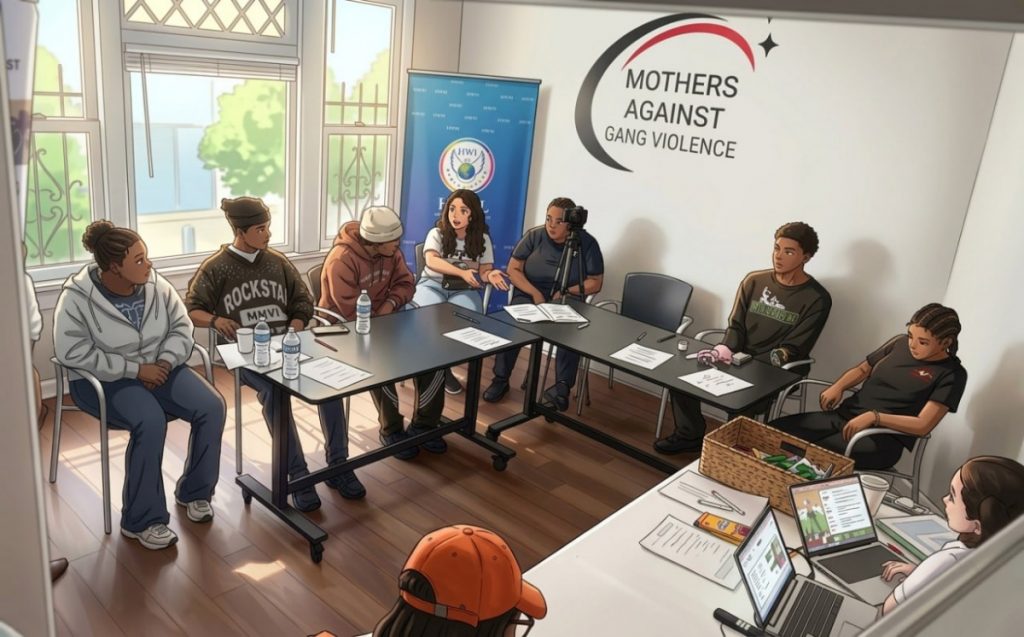
She has also argued that peace resolutions should lead to practical programs. Peace education, violence prevention, and community dialogue could give substance to the principles expressed in a resolution.
Her approach places particular importance on communication with residents.
Rather than simply making decisions on behalf of the public, she encouraged people to understand local issues and participate in the process. Regular communication, she believed, could help residents become partners in shaping their community.
This is also relevant to human rights.
A peaceful society depends not only on the absence of armed conflict. It requires people to have a sense of security, dignity, participation, and belonging.
From this perspective, local peacebuilding is closely connected to the broader idea of human rights. 🌱
A resolution can provide a starting point, but its real value depends on what follows: education, dialogue, policy, and sustained participation.
3. Youth Leadership: Building Peace Through Partnership and Sport
The second community leader approached peacebuilding through a different path: young people.
As the leader of the Arrow International Youth Leadership Council, she has worked to address challenges facing young people in Georgia, including violence, poverty, suicide, and low literacy.
Her commitment also has a personal foundation. As a teenager, she experienced the importance of having a caring mentor. One supportive adult can influence the direction of a young person’s life.
That experience shaped her belief that youth development is a shared responsibility.
Her approach is not simply to identify problems among young people. Instead, she emphasizes the role of the wider community in changing the environment around them.
Her message is captured in the phrase “One World, One Team.” 🌍
Over the years, her organization has developed partnerships with sports organizations, schools, community groups, and youth leaders. These partnerships eventually extended to local government.
In 2025, the city of South Fulton adopted Georgia’s first city resolution based on the DPCW. For the youth leader, this kind of official recognition can help move an initiative beyond a one-time event and toward broader social change.
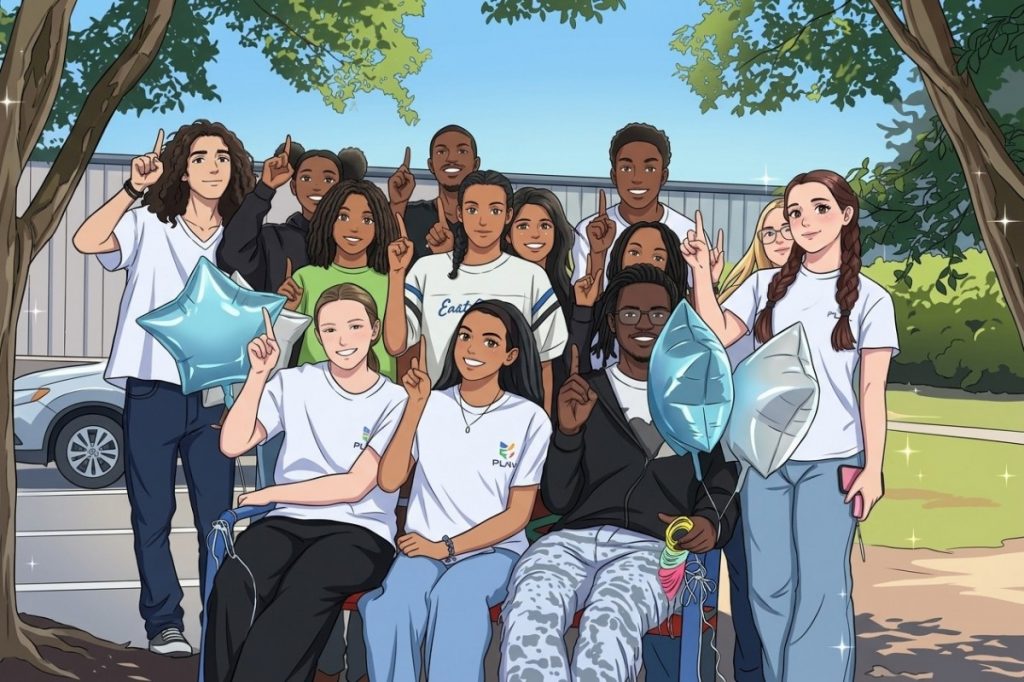
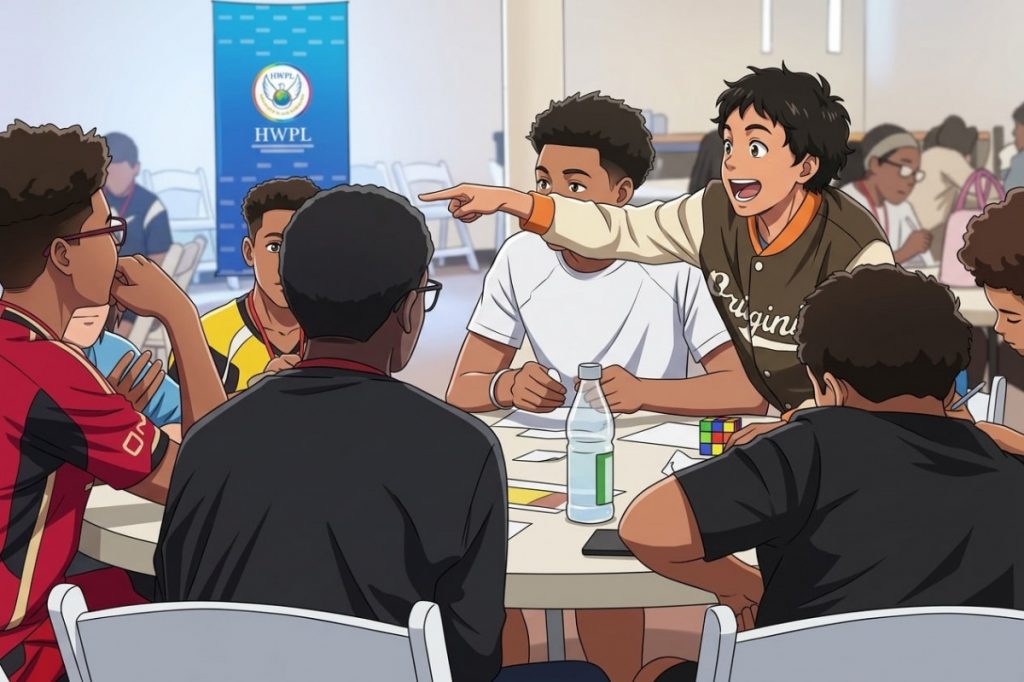
Her work continued in 2026 through Play4Peace ATL 2026, a three-week youth leadership camp organized with HWPL. Soccer was used as a central activity, but the purpose went beyond sport.
Young participants engaged in activities involving communication, cooperation, conflict resolution, and leadership. More than 200 young leaders were directly supported, while the program reached a wider circle of families and community members.
There is something compelling about this approach.
Sport naturally creates situations in which people must cooperate with others. Players have different personalities, abilities, and backgrounds, yet they still have to function as a team.
That makes sport a useful environment for teaching social skills that are also important for peacebuilding.
The organization’s motto expresses this idea well:
“Our children will always play, so they may as well play for peace.” ⚽
It is not a complicated concept. If young people are already gathering to play, those spaces can also become opportunities to develop leadership, empathy, and conflict-resolution skills.
In this sense, youth leadership is not simply preparation for the future. It is a form of peacebuilding in the present.
4. What Georgia’s Peace Resolutions Can Teach Us About Peace and Human Rights
Today, seven places in Georgia have adopted DPCW-based resolutions: South Fulton, Fairburn, Jonesboro, Atlanta, Palmetto, Stonecrest, and DeKalb County.
The significance of these resolutions, however, should not be measured only by the number of places that have adopted them.
The more important question is what happens afterward.
The experiences of these two community leaders suggest that a resolution can provide a structure for continued engagement. It can bring local government, civil society, youth organizations, and residents into a common conversation about violence prevention, education, and community responsibility.
That is where a symbolic declaration can acquire practical meaning.
For the first leader, the key concepts are compassion and communication. For the second, they are youth leadership and partnership. Their methods are different, but both see peace as something that must be practiced within communities.
This perspective also resonates with me as a physician interested in peace and human rights.
Medicine often deals with the consequences of violence. But protecting health also requires attention to the conditions that produce fear, insecurity, trauma, and social isolation.
A child growing up in a violent environment is not only facing a social problem. That environment can affect the child’s physical and psychological well-being for years.
This is why I think the connection between peace, human rights, and community health deserves more attention.
Peacebuilding does not always begin with international diplomacy. Sometimes it begins with a local government, a youth program, a conversation, or a community leader deciding that violence should not be accepted as inevitable.
The stories of these two leaders show how personal experiences can develop into public action.
One transformed experiences of war and loss into a commitment to compassion and community dialogue. The other turned her own experience of mentorship into a mission to develop young leaders.
Their work also illustrates an important point about DPCW-based resolutions.
A resolution can mark a commitment, but the deeper challenge is implementation.
Can it encourage peace education?
Can it support violence prevention?
Can it strengthen dialogue among people with different backgrounds?
Can young people become active participants rather than simply recipients of a peace message?
These are the questions that will determine whether a resolution becomes part of a community’s daily life.
For me, that is ultimately why these developments in Georgia are worth watching.
Peace is not only a matter for governments and international organizations. It is also a question of how communities treat their most vulnerable members and how they prepare the next generation to live together.
A resolution may begin with words.
Its lasting value comes from what people choose to do with those words. 🕊️🌍
Source: Two People Who Moved the State of Georgia: Building Peace Through DPCW Resolutions – HWPL