Two Community Leaders Bringing Peace to Georgia: From Personal Loss to DPCW Resolutions

  • 🌍 Seven cities and counties in Georgia have adopted resolutions based on the Declaration of Peace and Cessation of War (DPCW).
  • 🕊️ Behind these resolutions are community leaders who connected peace with local needs, youth development, and public engagement.
  • 🤝 One leader drew on personal experiences of war and loss to promote compassion, communication, and community action.
  • ⚽ Another has focused on youth leadership and partnerships, using sport as a way to teach cooperation and peace.
  • 📜 Their stories suggest that a peace resolution can be more than a symbolic declaration. It can become a framework for continued community action.
  • ❤️ From a human rights perspective, these efforts raise an important question: how can the value of peace become part of everyday community life?

1. A Personal Understanding of Violence and Community Responsibility

A STEP TOWARDS PEACE Two Community Leaders Bringing Peace to Georgia: From Personal Loss to DPCW Resolutions Youth Leadership peacebuilding Peace Resolution Peace education man hee lee true story of peace HWPL human rights Georgia Peace Georgia DPCW Community Peace

The story of peacebuilding often begins far from government offices or formal resolutions. Sometimes, it begins with personal loss.

One of the key figures behind the DPCW movement in DeKalb County serves as an administrative assistant in the county CEO’s office. Her perspective on peace was shaped by a childhood spent between different cultures and by direct encounters with the consequences of war.

Born in Paris to a Congolese mother and an American father, she spent much of her childhood in Saudi Arabia. Conflict in the Democratic Republic of the Congo was also a recurring subject in her family. The loss of relatives and family acquaintances made violence more than a distant international issue.

During the Gulf War, she was stranded in Thailand. Later, while attending an athletics event in Kuwait, she saw the destruction left by the conflict and met children whose families and homes had been affected.

These experiences influenced the way she viewed responsibility. For her, remaining silent when people are suffering is not neutral. It can allow injustice to continue.

Her understanding of violence changed again after moving to the United States. She had seen the effects of armed conflict overseas, but the prevalence of gun violence in American communities was also deeply unsettling. It strengthened her commitment to building communities where people can feel safe, respected, and connected.

Her community work has therefore extended beyond government. She has supported environmental and youth initiatives through the Fruitful Community Foundation and participated in activities associated with the Roots & Shoots program. She has also worked with local leaders, entrepreneurs, artists, and nonprofit organizations through community-focused media.

Across these different roles, she has emphasized one simple principle: real communication begins with listening.

That principle became especially significant after the killing of her younger brother in 2020. Following the loss, she made a conscious effort to become more involved in her community and to build relationships with others.

In 2023, she attended an HWPL peace walk with members of her family. The event left an impression on her, particularly the warmth with which the organizers welcomed her family.

What began as a personal connection eventually contributed to the adoption of a DPCW-based resolution in DeKalb County.

That progression is significant. A formal peace initiative did not emerge in isolation. It developed through personal experience, relationships, and an existing commitment to community well-being. 🕊️

2. From Compassion to a DPCW Peace Resolution in DeKalb County

A STEP TOWARDS PEACE Two Community Leaders Bringing Peace to Georgia: From Personal Loss to DPCW Resolutions Youth Leadership peacebuilding Peace Resolution Peace education man hee lee true story of peace HWPL human rights Georgia Peace Georgia DPCW Community Peace

The DPCW resolution in DeKalb County was rooted, in part, in a value the county was already trying to express: compassion.

The administrative assistant worked with a county commissioner to develop this value into an official resolution. The effort reflected an understanding that peace should connect with the practical concerns of local government rather than remain an abstract international ideal.

This distinction matters.

A community may formally endorse peace, but the meaning of that decision becomes clearer when it is connected to policy and public investment. At the time, DeKalb County was also addressing issues such as employee wages, policing, and education.

For the administrative assistant, these efforts provided evidence that the county was already attempting to translate compassion into action.

The DPCW resolution could therefore serve as a public expression of a broader direction within the community.

She has also argued that peace resolutions should lead to practical programs. Peace education, violence prevention, and community dialogue could give substance to the principles expressed in a resolution.

Her approach places particular importance on communication with residents.

Rather than simply making decisions on behalf of the public, she encouraged people to understand local issues and participate in the process. Regular communication, she believed, could help residents become partners in shaping their community.

This is also relevant to human rights.

A peaceful society depends not only on the absence of armed conflict. It requires people to have a sense of security, dignity, participation, and belonging.

From this perspective, local peacebuilding is closely connected to the broader idea of human rights. 🌱

A resolution can provide a starting point, but its real value depends on what follows: education, dialogue, policy, and sustained participation.

3. Youth Leadership: Building Peace Through Partnership and Sport

The second community leader approached peacebuilding through a different path: young people.

As the leader of the Arrow International Youth Leadership Council, she has worked to address challenges facing young people in Georgia, including violence, poverty, suicide, and low literacy.

Her commitment also has a personal foundation. As a teenager, she experienced the importance of having a caring mentor. One supportive adult can influence the direction of a young person’s life.

That experience shaped her belief that youth development is a shared responsibility.

Her approach is not simply to identify problems among young people. Instead, she emphasizes the role of the wider community in changing the environment around them.

Her message is captured in the phrase “One World, One Team.” 🌍

Over the years, her organization has developed partnerships with sports organizations, schools, community groups, and youth leaders. These partnerships eventually extended to local government.

A STEP TOWARDS PEACE Two Community Leaders Bringing Peace to Georgia: From Personal Loss to DPCW Resolutions Youth Leadership peacebuilding Peace Resolution Peace education man hee lee true story of peace HWPL human rights Georgia Peace Georgia DPCW Community Peace

In 2025, the city of South Fulton adopted Georgia’s first city resolution based on the DPCW. For the youth leader, this kind of official recognition can help move an initiative beyond a one-time event and toward broader social change.

Her work continued in 2026 through Play4Peace ATL 2026, a three-week youth leadership camp organized with HWPL. Soccer was used as a central activity, but the purpose went beyond sport.

Young participants engaged in activities involving communication, cooperation, conflict resolution, and leadership. More than 200 young leaders were directly supported, while the program reached a wider circle of families and community members.

There is something compelling about this approach.

Sport naturally creates situations in which people must cooperate with others. Players have different personalities, abilities, and backgrounds, yet they still have to function as a team.

That makes sport a useful environment for teaching social skills that are also important for peacebuilding.

The organization’s motto expresses this idea well:

“Our children will always play, so they may as well play for peace.”

It is not a complicated concept. If young people are already gathering to play, those spaces can also become opportunities to develop leadership, empathy, and conflict-resolution skills.

In this sense, youth leadership is not simply preparation for the future. It is a form of peacebuilding in the present.

4. What Georgia’s Peace Resolutions Can Teach Us About Peace and Human Rights

Today, seven places in Georgia have adopted DPCW-based resolutions: South Fulton, Fairburn, Jonesboro, Atlanta, Palmetto, Stonecrest, and DeKalb County.

The significance of these resolutions, however, should not be measured only by the number of places that have adopted them.

The more important question is what happens afterward.

The experiences of these two community leaders suggest that a resolution can provide a structure for continued engagement. It can bring local government, civil society, youth organizations, and residents into a common conversation about violence prevention, education, and community responsibility.

That is where a symbolic declaration can acquire practical meaning.

For the first leader, the key concepts are compassion and communication. For the second, they are youth leadership and partnership. Their methods are different, but both see peace as something that must be practiced within communities.

This perspective also resonates with me as a physician interested in peace and human rights.

Medicine often deals with the consequences of violence. But protecting health also requires attention to the conditions that produce fear, insecurity, trauma, and social isolation.

A child growing up in a violent environment is not only facing a social problem. That environment can affect the child’s physical and psychological well-being for years.

This is why I think the connection between peace, human rights, and community health deserves more attention.

Peacebuilding does not always begin with international diplomacy. Sometimes it begins with a local government, a youth program, a conversation, or a community leader deciding that violence should not be accepted as inevitable.

The stories of these two leaders show how personal experiences can develop into public action.

One transformed experiences of war and loss into a commitment to compassion and community dialogue. The other turned her own experience of mentorship into a mission to develop young leaders.

Their work also illustrates an important point about DPCW-based resolutions.

A resolution can mark a commitment, but the deeper challenge is implementation.

Can it encourage peace education?
Can it support violence prevention?
Can it strengthen dialogue among people with different backgrounds?
Can young people become active participants rather than simply recipients of a peace message?

These are the questions that will determine whether a resolution becomes part of a community’s daily life.

For me, that is ultimately why these developments in Georgia are worth watching.

Peace is not only a matter for governments and international organizations. It is also a question of how communities treat their most vulnerable members and how they prepare the next generation to live together.

A resolution may begin with words.

Its lasting value comes from what people choose to do with those words. 🕊️🌍

Source: Two People Who Moved the State of Georgia: Building Peace Through DPCW Resolutions – HWPL
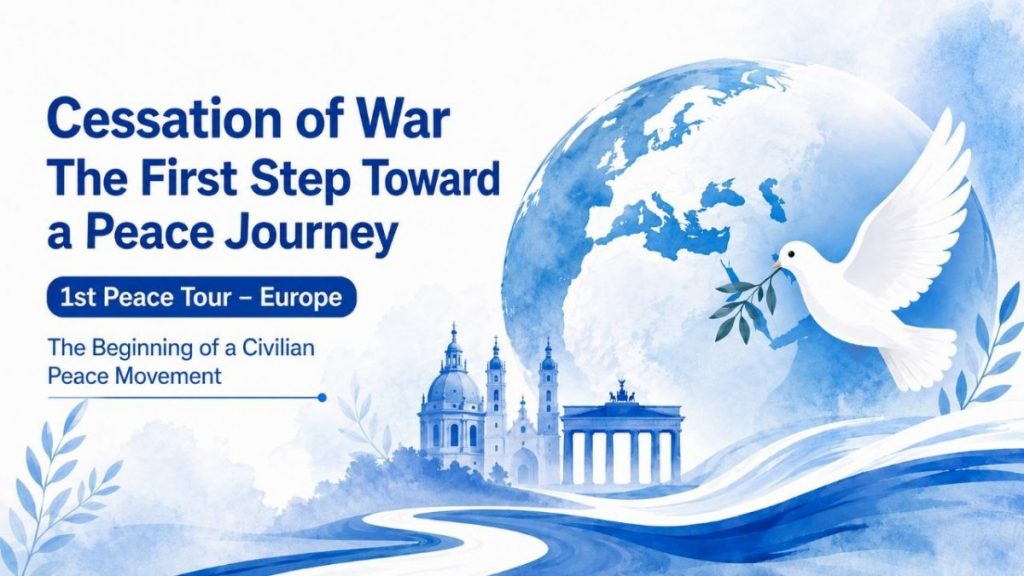
The Chairman Man-hee Lee’s First Peace Tour in Europe: The Beginning of a Civilian Peace Movement

  • 🌍 In May 2012, The Chairman Lee Man-hee began his first international peace tour in Europe, focusing on world peace and the peaceful reunification of the Korean Peninsula.
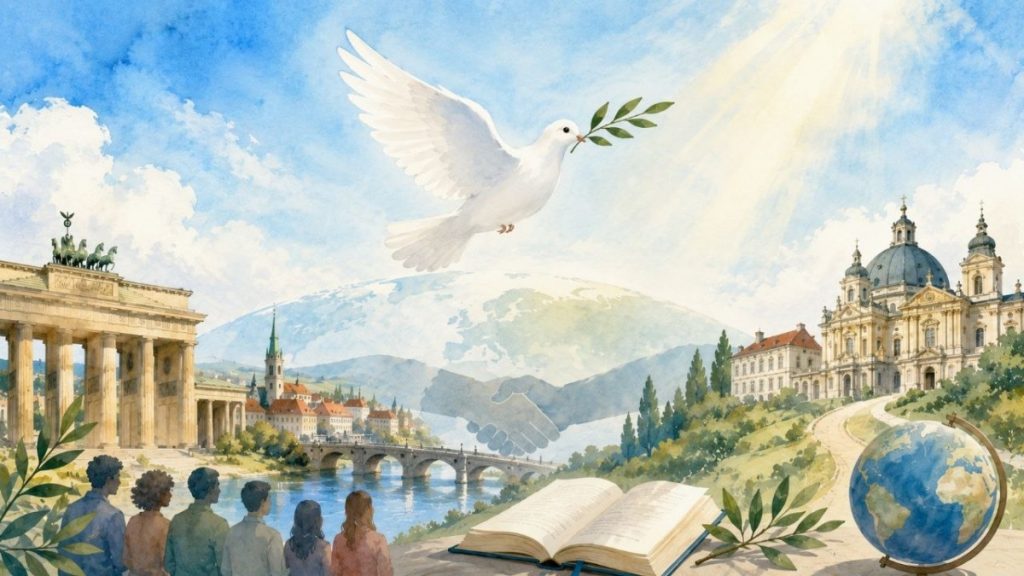
  • 🕊️ In Germany, he discussed the experience of German reunification with a former East German prime minister and considered possible lessons for Korea.
  • 🤝 In Austria, he met with a Catholic abbot and engaged in a conversation about the Bible, crossing denominational boundaries.
  • 📖 Religious seminars and public gatherings in Germany attracted participants from several countries and received attention from local media.
  • 🌏 Looking back from the perspective of peace and human rights, the journey raises broader questions about the role of civilians, religious communities, dialogue, and historical memory in pursuing peace.
A STEP TOWARDS PEACE The Chairman Man-hee Lee’s First Peace Tour in Europe: The Beginning of a Civilian Peace Movement World Peace Religious Freedom Religious Dialogue peacebuilding peace movement man hee lee peace tour Korean Reunification Interfaith dialogue human rights Germany Reunification

When we talk about peace, we often think first of governments, diplomats, international organizations, and formal peace agreements. 🕊️ Yet peace is also discussed and pursued by individuals, religious communities, and civil society.

In May 2012, The Chairman Lee Man-hee began what became his first international peace tour in Europe. At that time, HWPL had not yet been established, and his early international activities were conducted as a representative of Shincheonji.

Europe was a meaningful starting point. 🇩🇪 The continent had experienced religious conflicts, two world wars, political division, and the separation of Germany into East and West. Yet Germany had also experienced reunification after decades of division.

During this first European journey, The Chairman Lee Man-hee discussed German reunification, the possibility of peaceful reunification on the Korean Peninsula, religious dialogue, and his understanding of the Bible.

For someone interested in peace and human rights, this journey offers an opportunity to consider an important question:

What can individuals and religious communities contribute to peace when political divisions remain deeply entrenched? 🌍

🌍 Learning from German Reunification

One of the most notable events during the 2012 tour was a meeting in Potsdam with a former prime minister of East Germany.

The former East German prime minister had been an important political figure during the final period of East Germany and the process that led to German reunification. During their conversation, The Chairman Man-hee Lee asked about the German experience and discussed the possibility of peaceful reunification on the Korean Peninsula.

🕊️ One point emphasized during the conversation was the importance of peaceful public demonstrations.

According to the former prime minister, the roots of German reunification could be found in peaceful demonstrations by citizens. He explained that his role at the time was largely to help the power of the people spread.

This provides an interesting perspective on reunification.

Political leaders and governments certainly play important roles in major historical changes. However, the German experience also demonstrated that public participation can become an important force for political transformation.

📞 Another aspect discussed was communication between East and West Germany.

Although Germany was politically divided, connections between people had not completely disappeared. People could communicate by telephone, exchange mail, and watch television from the other side.

In other words, the division did not completely eliminate contact between people.

This point is particularly interesting when considering the Korean Peninsula. 🇰🇷 The political and security circumstances of Korea are very different from those of divided Germany, so the German experience cannot simply be copied.

Nevertheless, the conversation highlighted the potential importance of communication, historical memory, public participation, and education when thinking about reunification.

The former East German prime minister also emphasized the importance of helping young Koreans maintain an understanding of reunification.

👥 This is an issue that extends beyond politics. If younger generations gradually lose interest in or knowledge of the history of division, the social meaning of reunification can also change.

For this reason, education and historical awareness can become part of the longer-term conversation about peace.

🤝 A Conversation Across Religious Boundaries

The first European tour was not limited to political and historical discussions.

On May 14, The Chairman Lee Man-hee visited a Catholic monastery in Austria and met with its abbot. ⛪ During their meeting, they had an open conversation about the Bible.

The monastery itself represented a long European religious tradition. The visit also included access to areas of the monastery that were not ordinarily open to visitors, including its chapel and historic library.

📚 The conversation between The Chairman Man-hee Lee and the Catholic abbot centered on their understanding of the Bible and religious beliefs.

From a broader perspective, this encounter illustrates one of the recurring challenges of religious life: how can people from different traditions communicate with one another despite theological differences?

Catholic Christianity and Shincheonji have significant differences in theology and religious interpretation. Therefore, dialogue does not necessarily mean agreement.

But dialogue can still have value. 🤝

People do not have to reach identical conclusions in order to listen to one another. In a world where religious differences can sometimes become sources of tension, creating opportunities for communication may be meaningful in itself.

As someone interested in human rights, I believe this question deserves attention.

🕊️ Religious freedom is not simply about protecting one’s own beliefs. It also involves considering how people with different beliefs can coexist peacefully and respectfully.

The meeting described during the 2012 tour therefore provides an example of a conversation that crossed denominational boundaries, even though the participants came from different religious traditions.

A STEP TOWARDS PEACE The Chairman Man-hee Lee’s First Peace Tour in Europe: The Beginning of a Civilian Peace Movement World Peace Religious Freedom Religious Dialogue peacebuilding peace movement man hee lee peace tour Korean Reunification Interfaith dialogue human rights Germany Reunification

📖 Religious Gatherings and International Interest

Another major part of the first European tour involved religious seminars and public conferences in Germany.

The Chairman Lee Man-hee participated in a conference in Frankfurt on May 7 and later held large gatherings in Berlin on May 11 and 12.

At this stage, before HWPL’s later activities became prominent, his public message was primarily religious and focused on his interpretation of the Bible. According to the article, around 400 religious participants, including religious leaders from 25 countries, attended the Berlin gathering. 🌍

The response from participants was described as enthusiastic.

One local columnist reportedly said that the gathering seemed to address questions she had been seeking answers to. Another religious leader who had come temporarily to Germany from the Democratic Republic of the Congo reportedly made considerable effort to follow the lecture despite the need for interpretation between Korean, German, and another language.

🌐 His reaction was particularly notable because he reportedly expressed a desire for a larger event in the future and invited The Chairman Lee Man-hee to speak at a conference in the Congo.

These accounts show that the gatherings were not limited to a single national audience. Participants from different countries encountered a religious message originating from Korea.

This international dimension is important when thinking about communication.

Ideas about peace, religion, and reconciliation do not exist in isolation. They move between countries through people, conferences, religious communities, media, and personal relationships.

💬 Whether people agree with a particular religious message or not, the ability to communicate across cultural and national boundaries remains an important part of international dialogue.

📰 Media Attention and the Meaning of the Journey Today

The first European tour also attracted attention from several local media outlets.

German media organizations reported on the gatherings and interviewed The Chairman Lee Man-hee. According to the article, Leipzig Fernsehen covered the Berlin gathering and interviewed him, while Rhein-Main TV broadcast an interview connected to the Frankfurt conference.

📺 JeetTV also streamed a gathering online, and a North Berlin weekly newspaper later reported on the Berlin event.

The media coverage is significant because it shows how the activities were presented to a wider public beyond those physically attending the events.

The journey itself took place in 2012, but the themes discussed during it remain relevant today.

🌍 The Korean Peninsula is still divided.
🕊️ Armed conflicts continue in different parts of the world.
🤝 Religious differences remain an important part of many social and political debates.
👥 Younger generations continue to inherit the consequences of historical conflicts they did not personally experience.

From the perspective of a physician interested in peace and human rights, these issues are difficult to separate from the value of human life.

Medicine teaches us to look beyond abstract categories and remember the individual person behind them. War and division similarly affect individuals: families are separated, communities experience loss, and people can carry the consequences of conflict for generations.

For me, this is why discussions about peace deserve to extend beyond political negotiations alone. 🕊️

The story of The Chairman Lee Man-hee’s first European peace tour does not provide a simple solution to the Korean Peninsula’s division. Germany’s history cannot simply be transferred to Korea, and religious dialogue cannot by itself resolve political conflicts.

But the journey does highlight several ideas worth considering:

Communication matters. 💬
Historical memory matters. 📚
Peaceful public participation matters. 👥
Dialogue across religious boundaries matters. 🤝
And the willingness to imagine reconciliation matters. 🕊️

Ultimately, peace is not only about ending a conflict on paper. It is also about creating conditions in which people who have been separated by history can once again communicate, understand one another, and envision a different future.

🌏 Looking back at The Chairman Lee Man-hee’s first peace tour in Europe from this perspective, the journey can be seen as an early chapter in a broader effort to communicate ideas about world peace and Korean reunification across national and religious boundaries.

And perhaps the most important question remains the simplest one:

If peace is something humanity needs, who is responsible for pursuing it?

Governments have a role. International organizations have a role. Religious communities have a role.

And perhaps civilians do, too. 🕊️🌍🤝

Reference: https://www.newscj.com/news/articleView.html?idxno=3425630

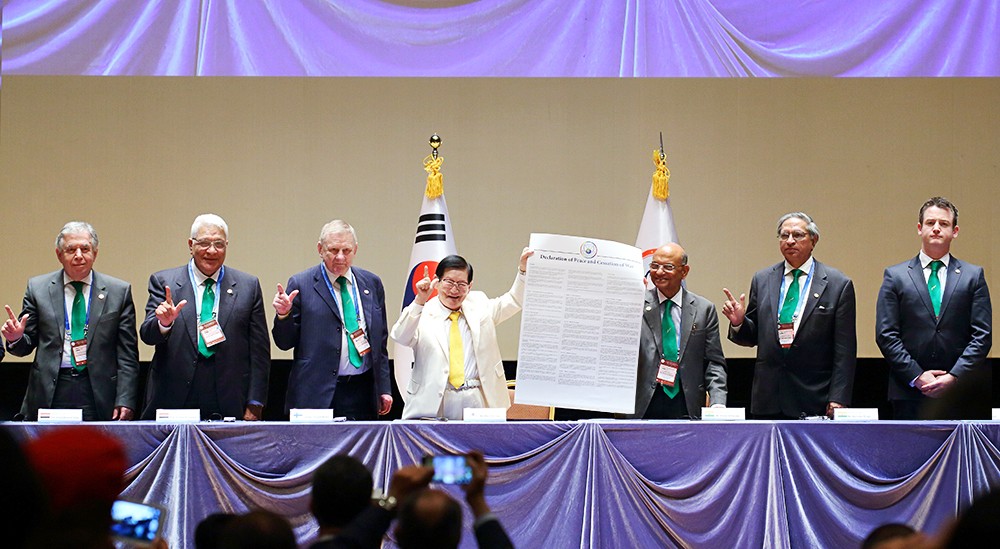
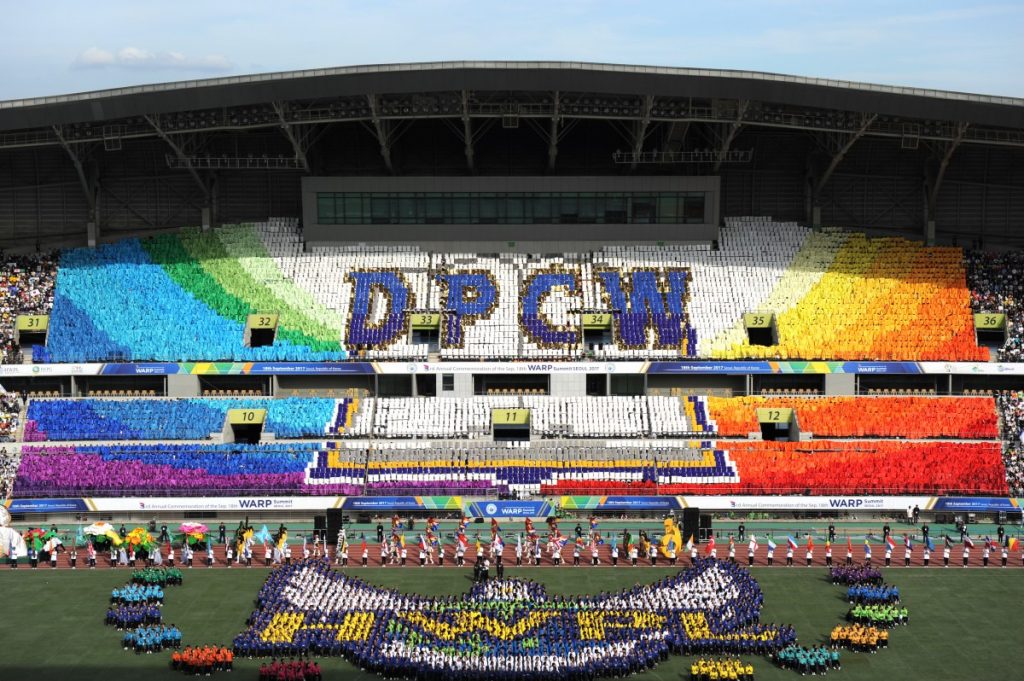
Ending War Before It Begins: A 10-Year Journey of the DPCW

Peace cannot rely on hope alone—it needs structure, agreement, and action. Over the past 10 years, the DPCW has quietly shown how peace can move from an idea into a working global system. 📝


🔑 Key Highlights

  • The DPCW (2016) was created to prevent war before it begins
  • It provides clear legal standards for peace and conflict resolution
  • Built through global cooperation across law, religion, and civil society
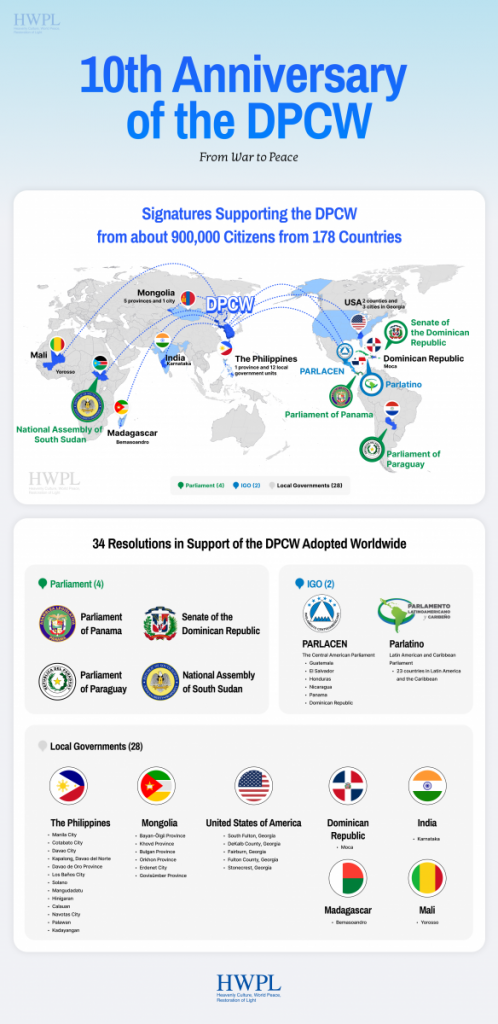
  • Supported by international parliaments and 900,000 citizens worldwide
  • Encourages a shift from war-based solutions to law-based systems

A STEP TOWARDS PEACE Ending War Before It Begins: A 10-Year Journey of the DPCW 이만희 평화실화 WorldPeace Proclaim PeaceThroughLaw peacebuilding Manheelee HWPL GlobalPeace DPCW 10th_Anniversary

🌍 1. Why Do Conflicts Still End in War?

Even today, conflicts often end in violence. However, this pattern is not inevitable. 💡
For generations, humanity has relied on force to resolve disputes. As a result, countless lives—especially young people—have been lost.

So, a deeper question emerges:
What if conflict could be resolved without war?

A STEP TOWARDS PEACE Ending War Before It Begins: A 10-Year Journey of the DPCW 이만희 평화실화 WorldPeace Proclaim PeaceThroughLaw peacebuilding Manheelee HWPL GlobalPeace DPCW 10th_Anniversary

This question led to the creation of the Declaration of Peace and Cessation of War (DPCW) in March 2016.
Rather than reacting to conflicts after they happen, the DPCW focuses on preventing them in the first place.

This shift is simple, yet powerful. Because prevention reduces harm before it begins.


🌱 2. A Movement That Began With the Value of Life

The foundation of this initiative comes from Heavenly Culture, World Peace, Restoration of Light (HWPL). 🌍

This organization was established with one clear purpose:
to protect lives from the tragedy of war and build lasting peace.

A STEP TOWARDS PEACE Ending War Before It Begins: A 10-Year Journey of the DPCW 이만희 평화실화 WorldPeace Proclaim PeaceThroughLaw peacebuilding Manheelee HWPL GlobalPeace DPCW 10th_Anniversary

From the beginning, HWPL has worked to connect different parts of society. It brought together governments, religious communities, and citizens. In addition, it promoted peace education and interfaith cooperation.

Because peace cannot be built by one group alone, this network became essential.
Over time, these efforts naturally led to the proposal of the DPCW as a shared global standard.


🌟 3. From Global Dialogue to a Shared Declaration

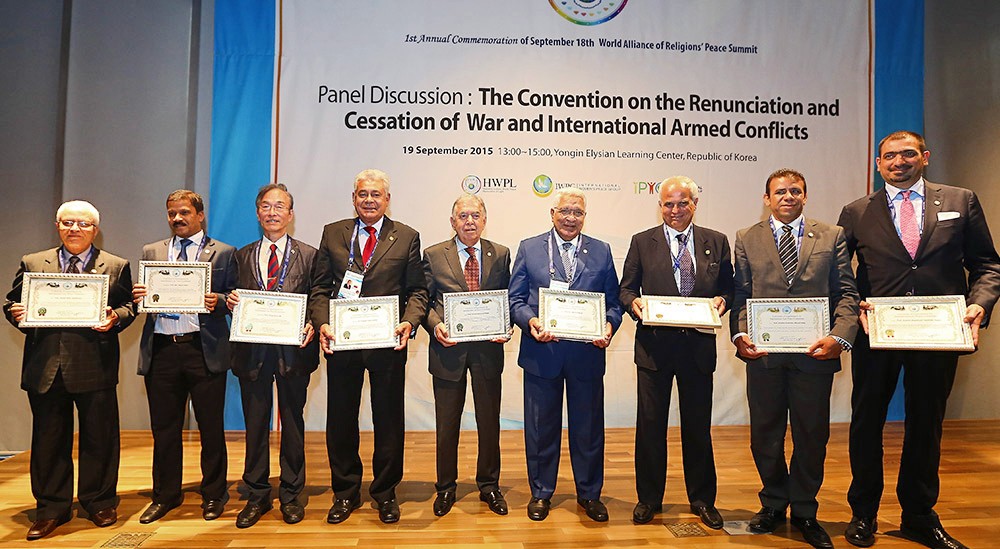
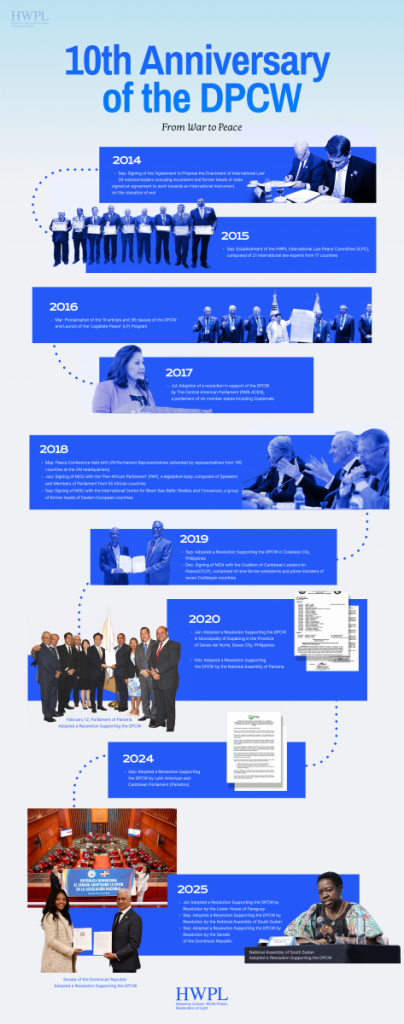
The idea of the DPCW did not appear overnight. It began at the 2014 HWPL World Peace Summit in Seoul. ✨

At that time, leaders from 152 countries gathered. They came from governments, religions, and civil organizations. Despite their differences, they reached one important understanding:

👉 Responding after conflict is not enough. Prevention must come first.

A STEP TOWARDS PEACE Ending War Before It Begins: A 10-Year Journey of the DPCW 이만희 평화실화 WorldPeace Proclaim PeaceThroughLaw peacebuilding Manheelee HWPL GlobalPeace DPCW 10th_Anniversary

Following this, an international law committee was formed in 2015.
Experts carefully reviewed existing laws and discussed new solutions.

As a result, the DPCW was completed with 10 articles and 38 clauses. It was officially proclaimed on March 14, 2016.

This process shows that peace is not abstract. Instead, it can be shaped through discussion, agreement, and legal structure.


⚖️ 4. What Makes the DPCW Different?

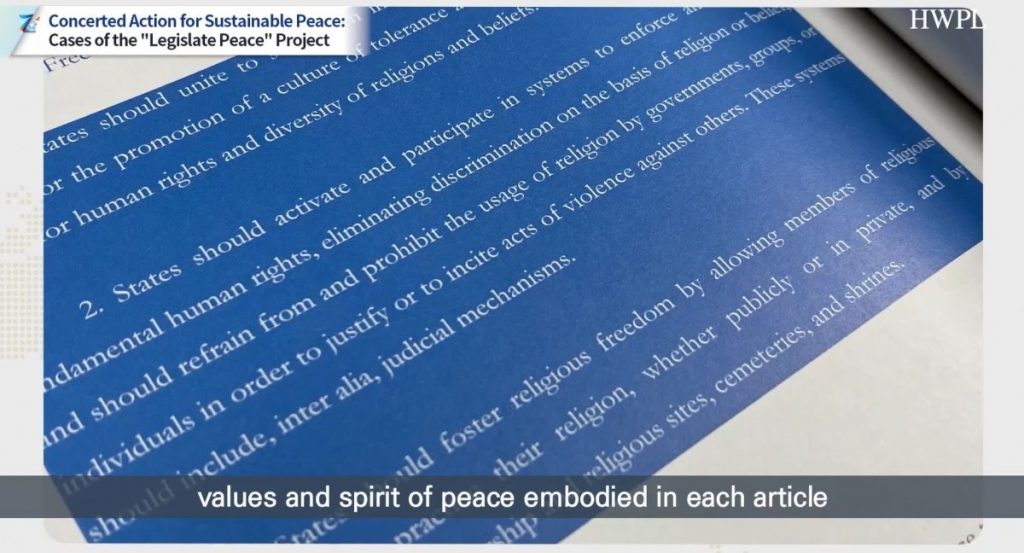
The DPCW builds on existing international law. However, it goes a step further by making key principles more practical. 💡

It includes:

  • Clear standards on the use of force
  • Defined procedures for peaceful conflict resolution
  • Stronger systems for international cooperation and collective security
  • Protection of freedom of religion and interfaith collaboration
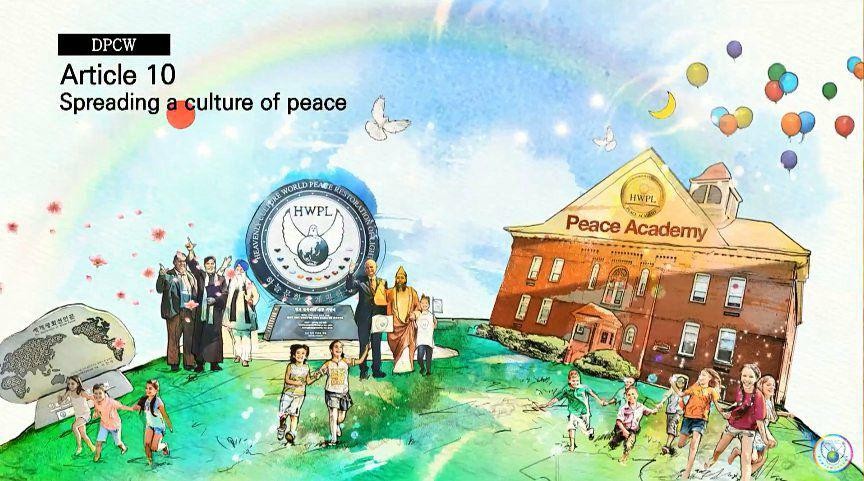
  • Promotion of a culture of peace with citizen participation
A STEP TOWARDS PEACE Ending War Before It Begins: A 10-Year Journey of the DPCW 이만희 평화실화 WorldPeace Proclaim PeaceThroughLaw peacebuilding Manheelee HWPL GlobalPeace DPCW 10th_Anniversary

Importantly, the DPCW does not replace existing laws. Instead, it strengthens them so they can work more effectively in reality.

Also, it expands responsibility. Not only governments, but also religious groups and civil society play a role.
This broader participation helps peace take root more deeply in everyday life. 🌱


🌍 5. A Decade of Growth: From Agreement to Action

A STEP TOWARDS PEACE Ending War Before It Begins: A 10-Year Journey of the DPCW 이만희 평화실화 WorldPeace Proclaim PeaceThroughLaw peacebuilding Manheelee HWPL GlobalPeace DPCW 10th_Anniversary

Over the past 10 years, support for the DPCW has steadily increased. 🌟

Regional bodies such as the Pan-African Parliament, the Central American Parliament, and the Latin American and Caribbean Parliament have adopted resolutions in support.

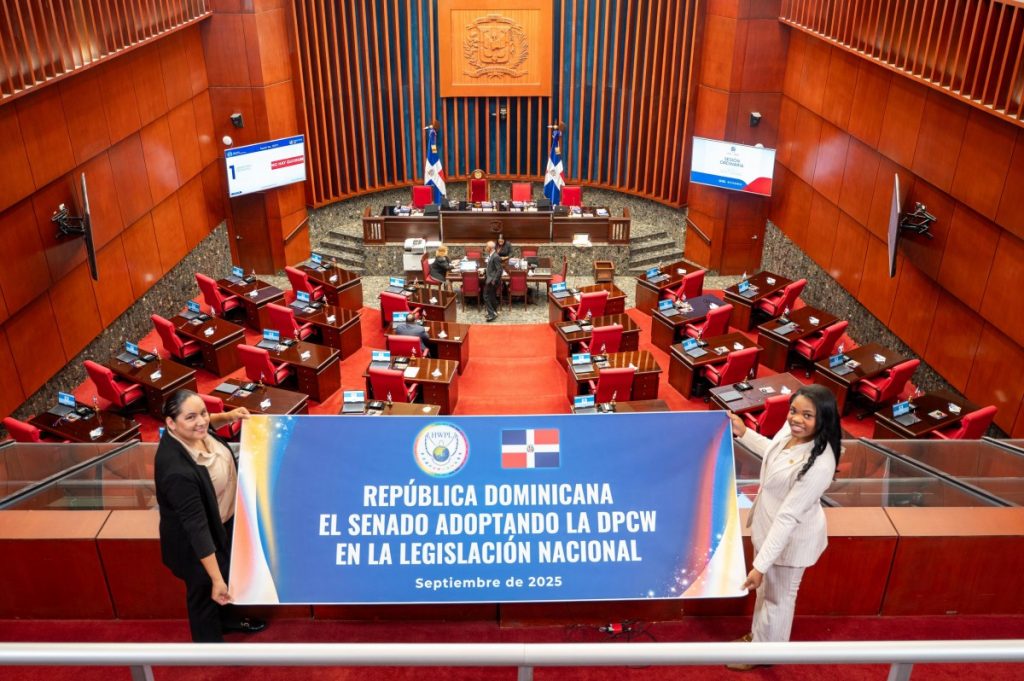
More recently, national assemblies in Paraguay, the Dominican Republic, and South Sudan have also expressed their support.

At the same time, citizens around the world have taken part.
About 900,000 people in 178 countries have supported this initiative. ❤️

This shows a meaningful shift.
Peace is no longer only discussed at the government level. It is also supported and shared by people globally.


✨ 6. Beyond War: A New Direction for Humanity

For a long time, war has been seen as a way to end conflict. However, this approach repeats the same cycle.

A real change requires a different system.
Instead of force, we need law, agreement, and cooperation.

The DPCW represents this new direction. It creates a structure where conflicts can be resolved through rules and dialogue, not violence. 💡

Of course, conflict itself will not disappear.
However, the way we respond to it can evolve.

The past decade has built a strong foundation. Now, the next step is to strengthen these efforts and apply them more widely.


A STEP TOWARDS PEACE Ending War Before It Begins: A 10-Year Journey of the DPCW 이만희 평화실화 WorldPeace Proclaim PeaceThroughLaw peacebuilding Manheelee HWPL GlobalPeace DPCW 10th_Anniversary

🌟 Final Thoughts: Peace Is a Choice We Build Together

So, where should humanity go?

Not toward repeated conflict, but toward a future where peace is chosen, strengthened, and protected through shared systems. 🌍

The DPCW reminds us that peace is not distant.
It is something we can build—step by step, together. ✨

Peace is up to you :0 Good luck!

HWPL Peacebuilding with Man Hee Lee

What is Peacebuilding?

A STEP TOWARDS PEACE HWPL Peacebuilding with Man Hee Lee Philippines peacebuilding Man Hee Lee HWPL Peacebuilding HWPL Culture_of_Peace chairman Lee

In Wikipedia, Peacebuilding is an approach to an entire set of interrelated efforts that support peace. And as other definition, Peacebuilding is a process that facilitates the establishment of durable peace and tries to prevent the recurrence of violence by addressing root causes and effects of conflict. (Ref) It seems to have a literal meaning.

It is difficult to achieve peace, but there have been many international efforts. First, the UN was founded at October 24, 1945 and the Universal Declaration of Human Rights (UDHR) was adopted by the United Nations General Assembly at its third session on 10 December 1948. And now we’re trying to achieve the Sustainable Development Goals (SDGs) that we’re going to achieve by 2030. What do you think of the current peace? Are you satisfied?

Perhaps, the answer depends on your current state of affairs. It would be the same for anyone to answer. But there are some people who didn’t. People who need to get rid of war in this global village. People who sacrifice themselves to achieve peace. Those who want to enact a new international law, saying that the UN should not forget its original spirit. Who are they?

HWPL Peacebuilding Story

They are the members of HWPL. It’s a HWPL Peacebuilding Story.

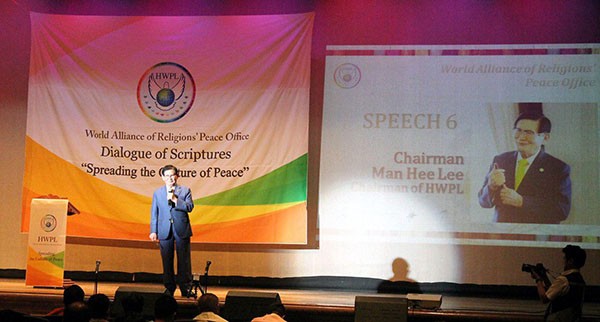
The Chairman Man Hee Lee of HWPL said, “I’ve visited all around the world and had a number of agreements with the former and current presidents, the chief justices, and members of the National Assembly to end the war together.

All leaders in each country should sign the agreement for the international law to achieve peace if they love the country and the people. To do this, the United Nations must work together to accomplish the task of peace with its spirit of peace at its inception.” at UN Headquarters, around 145 representative officials. After this speech, he received a huge standing ovation.

Today, I’d like to give you a very good example of Peacebuilding.

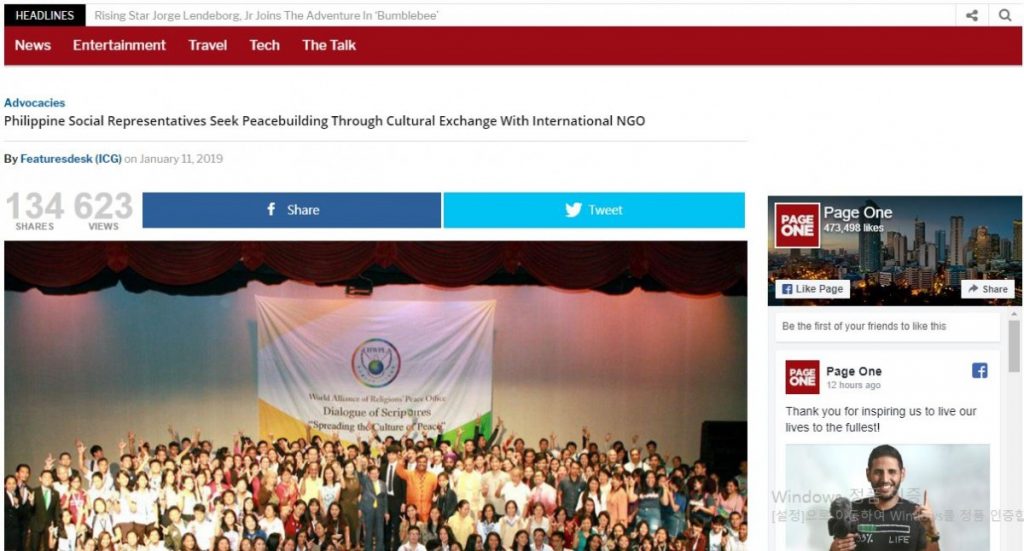
Philippine Social Representatives Seek Peacebuilding Through Cultural Exchange With International NGO

A STEP TOWARDS PEACE HWPL Peacebuilding with Man Hee Lee Philippines peacebuilding Man Hee Lee HWPL Peacebuilding HWPL Culture_of_Peace chairman Lee
Page One / by Featuresdesk (ICG) on January 11, 2019

On February 8, a grand peace festival will be held, which is entitled “We are one for Peace to attain Sustainable Development” at the Philippine Sports Stadium, Bulacan. It had 30,000 participants including social representatives in the Philippines and Volunteer Individuals for Peace (VIP) by Dr. Ronald Adamat, CHED’s Commissioner and Mr. Man Hee Lee, Chairman of HWPL. Why do they get together?

They want to launch nationwide peace movement throughout the Philippine’s State Universities and Colleges. A HWPL Official said “The highlight of this peace event is to give inspiration of citizen participation in peacebuilding. Cultural performances will represent harmony under peace beyond differences in ethnicity, religion or nationality. Also, the principles of peacebuilding with civic participation and national support will be introduced – the Declaration of Peace and Cessation of War (DPCW).”

If you want to know more DPCW

How can HWPL change a country?

They don’t just talk. As a partnership in promoting a culture of peace between the City Government of Paranaque (Philippine) and HWPL, there will be an inauguration of the “PEACE ROOM” in Paranaque City Public Library. According to organizers of this project, “peace corner and peace room will be established in different libraries nationwide to raise awareness of peacebuilding to citizens.”How can HWPL change a country?

A STEP TOWARDS PEACE HWPL Peacebuilding with Man Hee Lee Philippines peacebuilding Man Hee Lee HWPL Peacebuilding HWPL Culture_of_Peace chairman Lee

Because the CHED and Dr. Adamat helped a lot. Last January 2018, Commissioner of Commission on Higher Education (CHED) and HWPL signed an MOU to promote peace education throughout public colleges nationwide. The Chairman Man Hee Lee emphasized “We should think of how we can achieve peace. It should start by teaching peace to the youths.”

Reference: http://pageone.ph/philippine-social-representatives-seek-peacebuilding-through-cultural-exchange-with-international-ngo/

Did you hear the HWPL Peacebuilding Story well? It’s your turn.
More info with HWPL facebook

Other Lastest News of HWPL

Pacific Governments and Civil Society Leaders Seek “Spreading a Culture of Peace”

HWPL with ChirmanLee spread the culture of Peace to Kambodia, Ministry of Justice, Education, state news

HWPL will visit Kambodia to spread culture of Peace and to make peaceful world with Chairman Lee, Man Hee Lee

Philippine Social Representatives Seek Peacebuilding

The first batch of exam results have been officially released, beginning with Forms three and five today

Peace is up to you 🙂 Good luck!

Yemen boy ‘Don’t bury me’

Yemen boy was buried in a cold graveyard

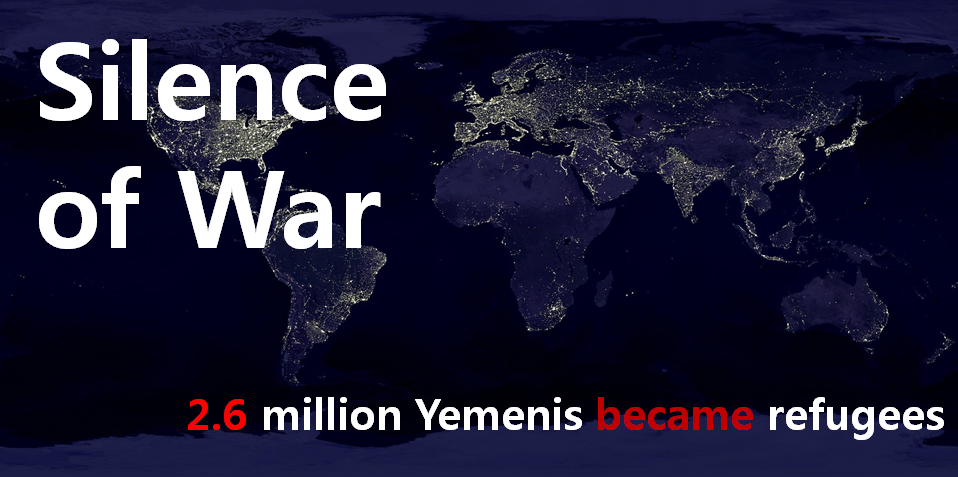
On October 13, 2015, six-year-old Fareed Shawky in Yemen is playing with a ball with his friends as usual. Then suddenly, the worst tragedy in this  tiny Yemen boy’s life occurred. A missile fell to the house with a roaring sound and in a flash, his house was in chaos. With shrapnel lodged in his head, he whispered in ear ‘Don’t bury me‘. But shortly after, small Yemen boy was buried in a cold graveyard. In 1994, the first civil war broke out in Yemen after Royalists of the existing reign was retreated by the coup by Republicans. Then, there were large and small wars that can’t see. According to BBC, this war is known as ‘Silence of War’ since the world major media paid less attention compared to the gravity of the situation.

Tiny Yemen boy whispered, ‘Don’t bury me’

The world moved for this Yemen boy

A STEP TOWARDS PEACE Yemen boy 'Don't bury me' Yemenis Yemen boy World Peace War United Nations UN terrorism Silence of War same hearts peacebuilding legacy to the future generation Ian Seo HWPL Hrant Bagratyan Fareed Shawky extremism DPCW Don't bury me culture of peace Armenia   By a statement of the UN, 2.6 million Yemenis, approximately 10% of Yemeni population became refugees after losing their homes. The United Nations held a ‘High-Level Pledging Event for the Humanitarian Crisis in Yemen’ attended by senior figures in 60 international organizations and NGOs from 72 countries in Geneva on 25 April 2017.

Some experts emphasize that the fundamental approaches are necessary to put an end to repetitive conflicts.
“Along with binding mechanisms including international agreements and legal framework in the country, creating a culture of peace that promotes the mindset of peacebuilding through the participation of all sectors is of tremendous importance to achieve immediate ceasefire and sustainable peace,” emphasized Mr. Ian Seo, general director of department of public relations, HWPL HQ.

We need a law that can limit war

A STEP TOWARDS PEACE Yemen boy 'Don't bury me' Yemenis Yemen boy World Peace War United Nations UN terrorism Silence of War same hearts peacebuilding legacy to the future generation Ian Seo HWPL Hrant Bagratyan Fareed Shawky extremism DPCW Don't bury me culture of peace Armenia   “We support all the laws that limit the proliferation of armaments and contribute to the promotion of the world peace,” said Mr. Ayoub, Chief of Improve Your Society (ISYO) in “Piece of Peace” held in Sana, Yemen with 160 participants from 5 NGOs.

Mr. Hrant Bagratyan, the former Prime Minister of Armenia, said “The DPCW will be a good instrument against extremism, terrorism, war, and associations that will be a good base for the sustainability of peace” regarding the DPCW.

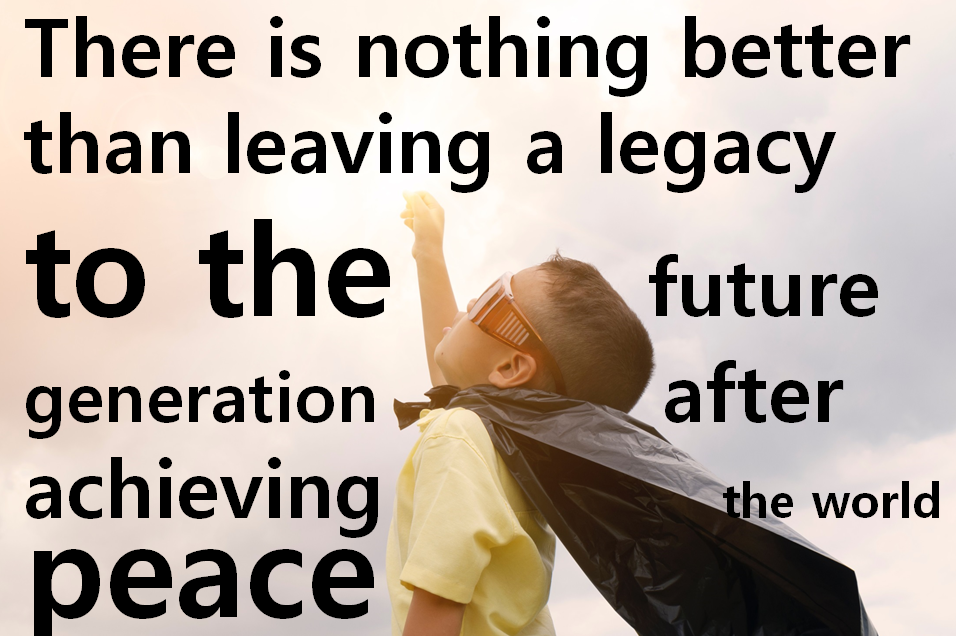
We all have to support what we have to do with the same hearts. It is for living. Will you leave money and authority to our future generation who will live in this global village? There is nothing better than leaving a legacy to the future generation after achieving the world peace
– Chairman Lee, HWPL

Source : https://thevoicebw.com/cooperation-to-leave-peace-as-a-legacy-for-the-future-generations/

If you want to know more about HWPL and DPCW?

hwpl official : http://hwpl.kr/

My posting : http://www.peacestep.com/2018/03/15/2nd-annual-commemoration-of-the-declaration-of-peace-and-cessation-of-war-dpcw/

Peace is up to you :0 Good luck!


Interfaith dialogue with religious representatives

Interfaith dialogue : The critical point

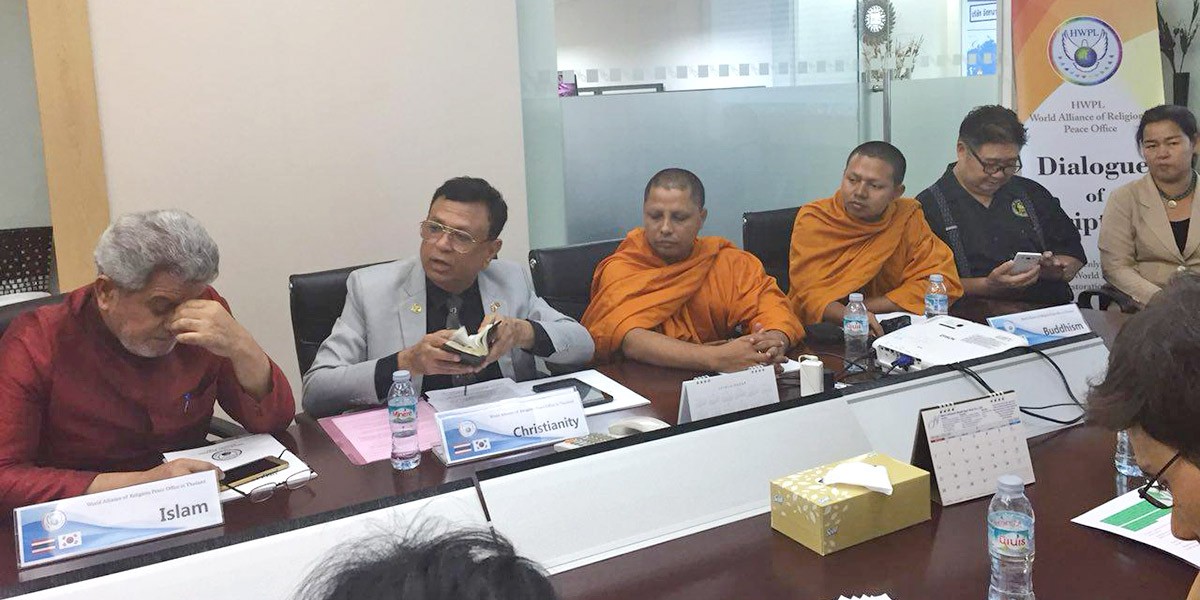
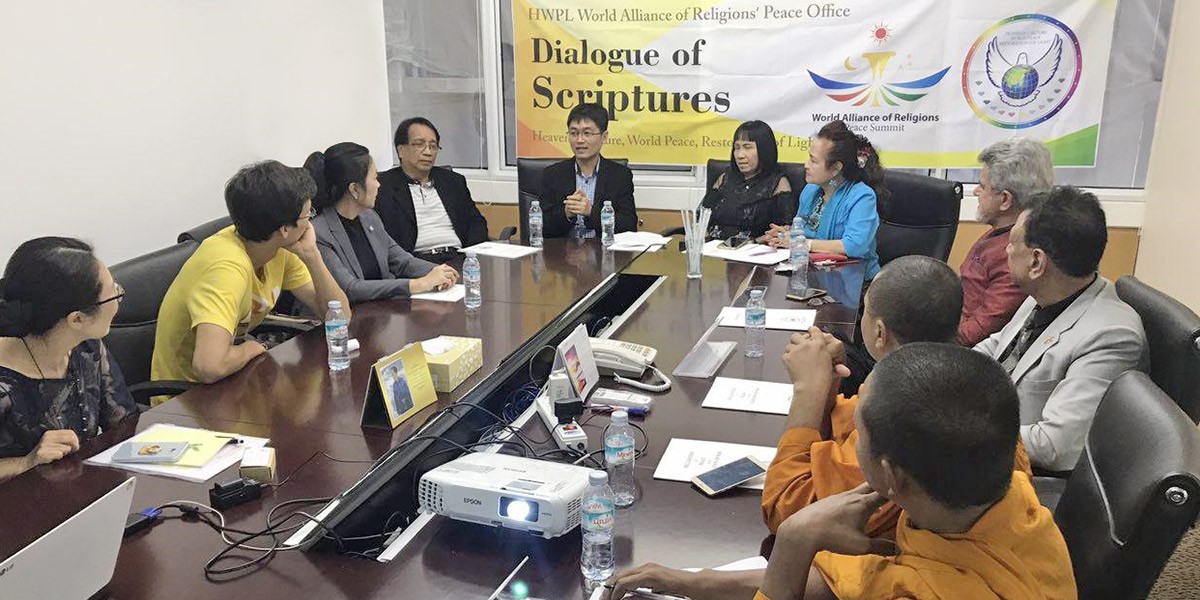
A STEP TOWARDS PEACE Interfaith dialogue with religious representatives values of human being UN ECOSOC The Messenger The founder of religion scriptures Sathit Kumarn role of religion religious studies peacebuilding Mr. Kumarn Islam international NGO Interfaith dialogue inner quality HWPL Husni Hamad Hinduism Christianity Buddhism   On January 19, an interfaith dialogue with religious representatives from Buddhism, Christianity, Islam and Hinduism discussed the role of religion in making a peaceful world. Heavenly Culture, World Peace, Restoration of Light (HWPL), an international NGO affiliated with the UN ECOSOC, held the 32nd interfaith dialogue in Bangkok.

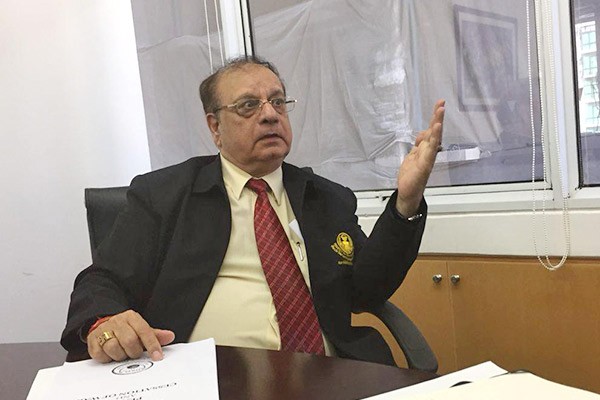
A STEP TOWARDS PEACE Interfaith dialogue with religious representatives values of human being UN ECOSOC The Messenger The founder of religion scriptures Sathit Kumarn role of religion religious studies peacebuilding Mr. Kumarn Islam international NGO Interfaith dialogue inner quality HWPL Husni Hamad Hinduism Christianity Buddhism   “We talk about dialogues based on scriptures, which is very important part of peacebuilding to individual person. It is also important to understand that we have to build peace within ourselves first, the inner quality of person,” said Sathit Kumarn, president of Ramakrishna Vedanta Society of Thailand and advisor the National Legislative Assembly in Thailand.

Dialogue of Scriptures

A STEP TOWARDS PEACE Interfaith dialogue with religious representatives values of human being UN ECOSOC The Messenger The founder of religion scriptures Sathit Kumarn role of religion religious studies peacebuilding Mr. Kumarn Islam international NGO Interfaith dialogue inner quality HWPL Husni Hamad Hinduism Christianity Buddhism   In the meeting, the panel discussion was carried on. “The founder of religion (The Messenger) can’t teach from his own knowledge, they have to teach only from the will of the heaven which is revealed to them from God,” said Dr. Husni Hamad. Also, one pastor said “The founder of religion should not teach from his own knowledge but on the basis of the which the person has received from heaven.”

What is required is to think about how to make people as human being and teach the values of human being. It can be establishing religious studies in schools and build programs regarding human development together with spiritual enhancement,” said Mr. Kumarn.

Peace is up to you :0 Good luck!

Korea Peace Unification Forum “DPCW is the solution”

Korea Peace Unification Forum

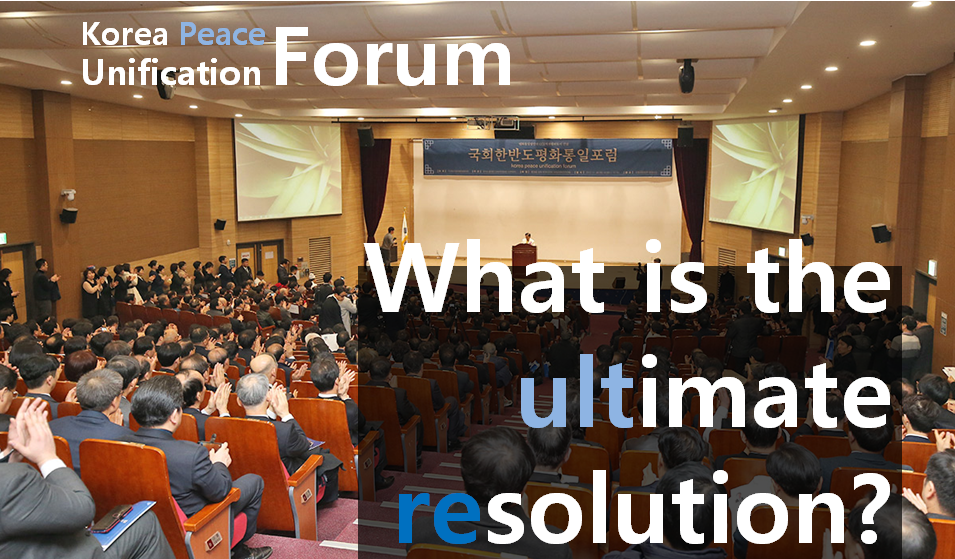
A STEP TOWARDS PEACE Korea Peace Unification Forum "DPCW is the solution" warfare unification of the two Koreas ultimate resolution The cessation of war and world peace practical ways peacebuilding peace agreements North Korea’s nuclear threat Korean war Korea Peace Unification DPCW Ambassadors    On November 30th, Korea Peace Unification Forum was held at the Korean National Assembly Member’s Conference Hall. Politicians and NGO representatives said what to do something. Also the Ambassadors to Korea are participated in this Forum from 12 countries including El Salvador, Cambodia, Costa Rica, Poland, and Laos. The purpose of Forum is to establish peacebuilding measures for the unification of Korea and global peace. What is the current state of the world? There are recent provocations from North Korea’s nuclear tests. Due to North Korea’s nuclear threat, the situation in the Korean peninsula is now at a crisis point more than ever before. War is terrific. Have you been engaged in warfare? Listen to a veteran.

As a soldier in the infantry division at the frontlines during the Korean War, the words of the dead soldiers and the sounds of the firing of shots during the war even today are still ringing in my ears. We were born in the same world, but I could not see the flowers bloom even once. Politicians cannot compensate for this tragedy.” – Chairman Lee

What is the ultimate resolution?

A STEP TOWARDS PEACE Korea Peace Unification Forum "DPCW is the solution" warfare unification of the two Koreas ultimate resolution The cessation of war and world peace practical ways peacebuilding peace agreements North Korea’s nuclear threat Korean war Korea Peace Unification DPCW Ambassadors
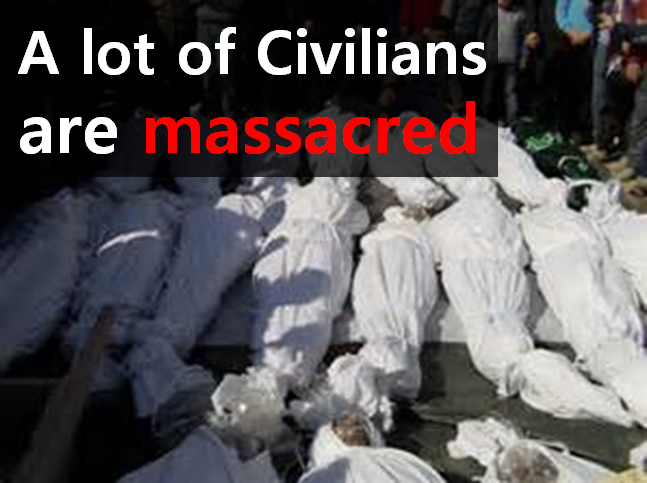
This picture is about syria civil war

In the panel discussions, the unification of the two Koreas was suggested by the ultimate resolution of Korean peninsula crisis. We are left with the choice of either a peaceful solution or a military solution. But It is difficult to resolve. How can we achieve the unification? We need practical ways to change the world.

President Chung continued, “Rather than creating peace through the passive means of just opposing the war, we need to realize an active concept of peace. The ultimate solution for North Korea’s nuclear threat and the North Korean problem is unification. It is now an urgent matter to prepare an active unification policy.

DPCW is the ultimate solution

A STEP TOWARDS PEACE Korea Peace Unification Forum "DPCW is the solution" warfare unification of the two Koreas ultimate resolution The cessation of war and world peace practical ways peacebuilding peace agreements North Korea’s nuclear threat Korean war Korea Peace Unification DPCW Ambassadors

Chairman Lee proclaimed “HWPL has made peace agreements with present and former presidents and heads of state, chiefs justices of Supreme courts, university presidents, religious leaders, and the heads of international organizations, and this news has been broadcasted all around the world. The cessation of war and world peace will become a reality because everyone desires for peace rather than war” and finally “We have the answer to peace which is the DPCW.” I’m sure it will cure the world more beautifully. DPCW is the solution!!! Let’s become the messengers of peace!

A STEP TOWARDS PEACE Korea Peace Unification Forum "DPCW is the solution" warfare unification of the two Koreas ultimate resolution The cessation of war and world peace practical ways peacebuilding peace agreements North Korea’s nuclear threat Korean war Korea Peace Unification DPCW Ambassadors

Peace is up to you :0 Good luck!